ad

Alcohol-monitoring anklet to be introduced for alcohol-fueled violence and DUI offenders
Alcohol-monitoring anklet to be introduced for alcohol-fueled violence and DUI offenders

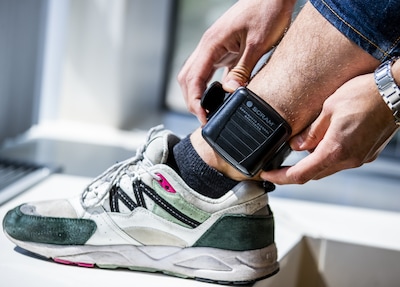
The Dutch parliament is moving to introduce mandatory alcohol-monitoring ankle bracelets for offenders convicted of alcohol-fueled violence or severe traffic offenses. The device will monitor alcohol consumption 24/7 via skin sweat samples, providing a more reliable alternative to traditional periodic testing.

The Dutch government is preparing to introduce an alcohol-monitoring ankle bracelet to enforce alcohol bans for offenders convicted of alcohol-related violence or repeated traffic offenses. A parliamentary majority supports the legislative proposal, which allows judges to mandate the device as a monitoring tool to ensure compliance. Unlike existing methods, such as periodic urine or blood tests that allow for potential manipulation, the device measures sweat samples every thirty minutes to provide round-the-clock monitoring. While previous attempts in 2020 faced criticism regarding privacy concerns, a revised proposal from the Ministry of Justice and Security has addressed these issues by narrowing the application to severe cases and improving the technology. Current Minister David van Weel emphasizes that the device serves as a control mechanism to prevent recidivism. The legislative chamber is expected to vote on the proposal shortly, with further discussions also considering the potential reintroduction of in-car alcohol ignition interlocks for offenders.

Based on reporting by ad. Translated and condensed by LocalHeadlines.

Related articles

Veilig Thuis overwhelmed by reports of domestic violence and child abuse

Veilig Thuis overwhelmed by reports of domestic violence and child abuse

The Dutch reporting center Veilig Thuis is overwhelmed by a significant surge in cases of domestic violence and child abuse, leading to dangerous delays in providing assistance. Experts are calling for legislative reforms and the establishment of unified local teams to simplify the current fragmented support system and ensure families receive timely help.

Municipality to open its own healthy restaurant to combat excess of fast food outlets

Municipality to open its own healthy restaurant to combat excess of fast food outlets

The Amsterdam municipal government plans to open and then deny a permit for its own unhealthy restaurant to test legal limits regarding health-based zoning. By taking the matter to court, officials aim to establish a precedent that would allow the city to restrict new fast-food establishments in the future.

End to intake freeze at Levvel, youths with severe issues can once again be admitted in Amsterdam

End to intake freeze at Levvel, youths with severe issues can once again be admitted in Amsterdam

Care organization Levvel has ended its intake freeze for Amsterdam youth following successful negotiations to secure more beds for those in need of severe residential care. While access has been restored, the municipality is demanding better coordination among providers and has initiated an independent financial audit of Levvel to ensure future stability.

Cabinet plans to require homeowners to install hybrid heat pumps starting in 2029

Cabinet plans to require homeowners to install hybrid heat pumps starting in 2029

Beginning in 2029, homeowners in the Netherlands must install hybrid heat pumps instead of gas-fired boilers when replacing their heating systems. The government plans to exempt apartments and monuments, while a decision on future subsidies for these costly installations is expected by 2027.

VVD wants smoke- and vape-free zones around schools

VVD wants smoke- and vape-free zones around schools

The Amsterdam VVD has proposed a ban on smoking and vaping within 50 meters of schools to combat rising youth nicotine addiction. The plan also includes stricter enforcement against illegal flavored vapes and the creation of improved cessation support services for students.