nu

ABN AMRO expects newspaper revenue growth due to willingness to pay for news
ABN AMRO expects newspaper revenue growth due to willingness to pay for news

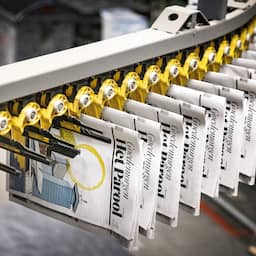
Dutch newspaper publishers experienced their sixth consecutive year of revenue growth, reaching 1.2 billion euros, largely driven by a surge in digital subscriptions. While advertising income has dwindled due to competition from big tech, newspapers are increasingly relying on paid readers and leveraging new formats like podcasts and AI tools to maintain their market relevance.

Dutch newspaper publishers reported a total revenue of over 1.2 billion euros last year, marking a 2 percent increase and the sixth consecutive year of growth since 2019. This positive financial trend is driven primarily by an increase in digital subscriptions, which rose by 13 percent to 224 million euros. While advertising revenue has declined due to the dominance of major tech companies like Google and Meta, paid readers now account for more than 80 percent of total publisher income, a significant shift from the 50 percent share recorded in 2005. Podcasts are also playing an increasing role in attracting new audiences and driving subscription growth.

Looking ahead, ABN AMRO notes that artificial intelligence presents a complex outlook for the industry. While AI-driven search results from companies like Google could potentially reduce traffic to news websites by providing summary answers, the technology also offers benefits. Publishers are exploring AI tools to improve user experience, such as enabling search capabilities within extensive article archives, as seen with international outlets like The Economist and Financial Times.

Based on reporting by nu. Translated and condensed by LocalHeadlines.
Related articles

Not selling out is not a death blow for festival: 'But be careful not to price yourself out of the market'

Not selling out is not a death blow for festival: 'But be careful not to price yourself out of the market'

Festival organizations in the Netherlands faced a challenging summer marked by extreme weather, rising operational costs, and fluctuating ticket sales. Despite these significant hurdles, industry professionals remain optimistic due to the sector's inherent creativity and ability to adapt to difficult circumstances.

Not just IDFA: Amsterdam’s wider cultural sector hit by rising hotel costs as tourist tax hike drives away key visitors

Not just IDFA: Amsterdam’s wider cultural sector hit by rising hotel costs as tourist tax hike drives away key visitors

Amsterdam's cultural sector, including major events like IDFA, ADE, and the Holland Festival, is struggling due to rising tourist taxes and hotel VAT. These increased costs are forcing organizers to raise ticket prices and reduce programming, threatening the accessibility and quality of the city's cultural offerings.

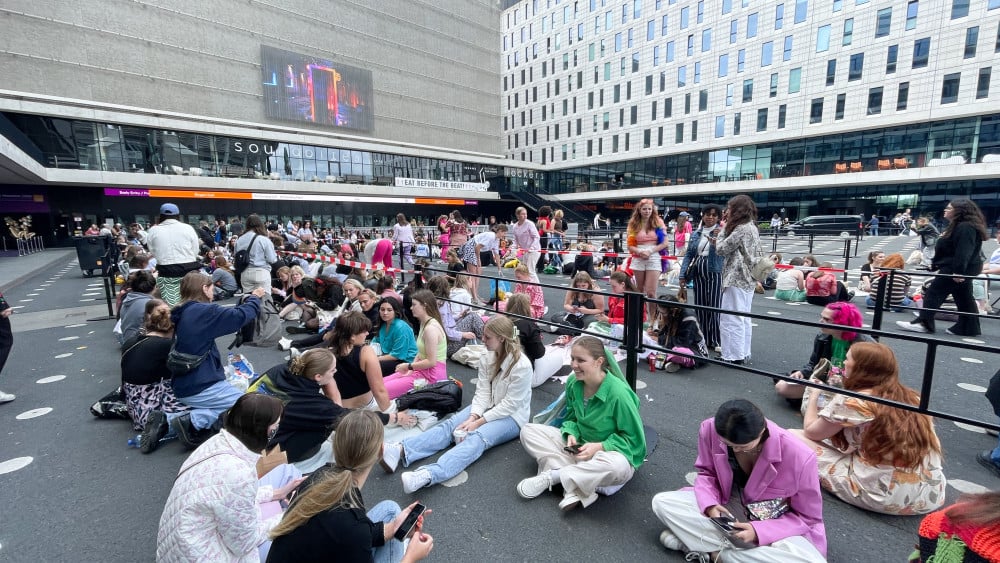
Harry Styles concerts in Arena caused inflation in the Netherlands to rise

Harry Styles concerts in Arena caused inflation in the Netherlands to rise

Economists from De Nederlandsche Bank have linked a series of ten concerts by Harry Styles in Amsterdam to a rise in Dutch inflation during May. The high demand from international fans led to a significant surge in hotel and ticket prices, marking an unusual impact on the national economy.

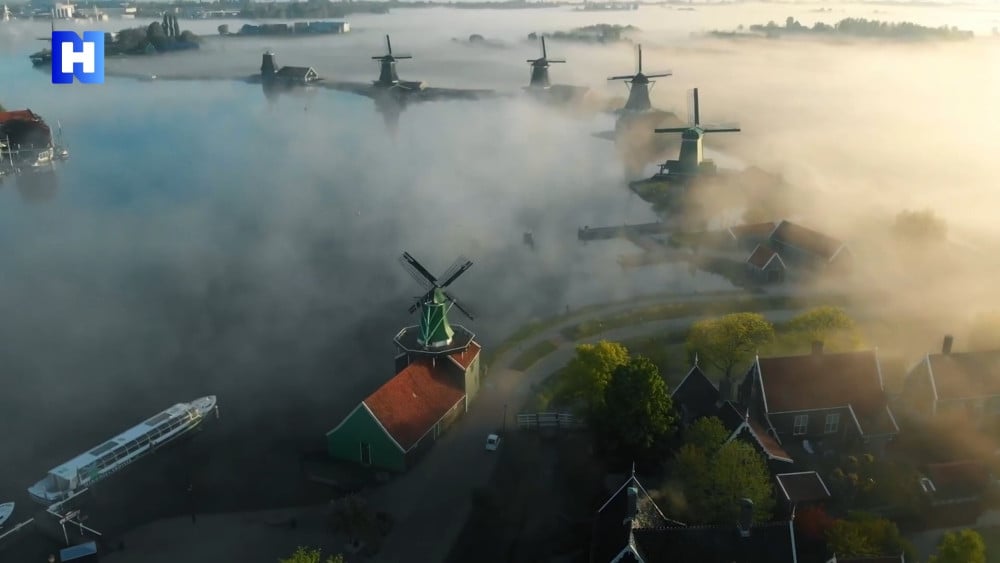
Housing, industry and nature: who gets the space along the North Sea Canal?

Housing, industry and nature: who gets the space along the North Sea Canal?

The Noordzeekanaal area is experiencing increasing pressure as industrial needs, new housing projects, and nature conservation compete for limited space. A new television series commemorates the canal's 150th anniversary by exploring how these different sectors coexist and evolve within the region.

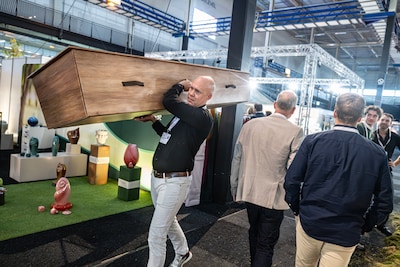
Demand for affordable and sustainable funerals grows: 'Just put me in a cardboard box'

Demand for affordable and sustainable funerals grows: 'Just put me in a cardboard box'

The funeral industry in the Netherlands is preparing for a shift in consumer demand toward more affordable and environmentally friendly burial options. As part of this transition, the sector is exploring sustainable alternatives such as alkaline hydrolysis, commonly known as resomation, to accommodate those seeking cheaper or greener end-of-life choices.