ad

Myrte (37) still mourns the years lost to iron deficiency: 'I felt held back'
Myrte (37) still mourns the years lost to iron deficiency: 'I felt held back'

Myrte, 37, spent years suffering from unexplained exhaustion and sensory overload that impacted her ability to work and lead a normal life. After discovering she had a severe iron deficiency, she received an infusion that significantly improved her health, leading her to advocate for better medical screening for women.

Myrte, a 37-year-old woman, suffered from chronic fatigue, hair loss, and severe sensory processing issues throughout her life, which she initially attributed to her vegetarian diet. For decades, she cycled through medical professionals seeking answers for her exhaustion and anxiety, receiving various incorrect labels ranging from ADHD to burnout. Her struggles intensified as she entered the workforce, where the combination of commuting and professional demands often left her unable to function. Eventually, Myrte discovered through her own research and online lab results that she suffered from a critically low ferritin level.

After insisting on specialized treatment, she received a high-dose iron infusion that significantly improved her physical energy and sensory tolerance. Although her quality of life has dramatically increased, Myrte experiences grief over the years lost to undiagnosed health issues. She now advocates for healthcare systems to prioritize ruling out physical causes, such as iron deficiency, before attributing the symptoms of young women solely to stress or psychological conditions.

Based on reporting by ad. Translated and condensed by LocalHeadlines.

Related articles

What we didn't yet know about menopause: ‘Fecal incontinence is the ultimate, deeply hidden taboo’

What we didn't yet know about menopause: ‘Fecal incontinence is the ultimate, deeply hidden taboo’

Recent insights into menopause highlight that while societal stigmas are decreasing, certain issues like fecal incontinence remain deeply taboo. Experts are currently working to improve medical understanding of hormone therapies and aim to develop home testing kits for menopause within the next five years.

Painful, black toenails after running: this is 'runner's toe' and how you can prevent it

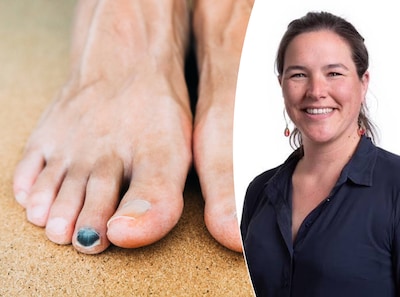
Painful, black toenails after running: this is 'runner's toe' and how you can prevent it

Runners toe, or a subungual hematoma, is a frequent injury caused by repetitive impact or direct pressure on the toes, often affecting endurance athletes. While usually harmless, the condition results in painful bruising under the nail that can take months to fully resolve as the nail grows out.

Aid worker Tim has been volunteering at Amsterdam Marathon for nearly nine years

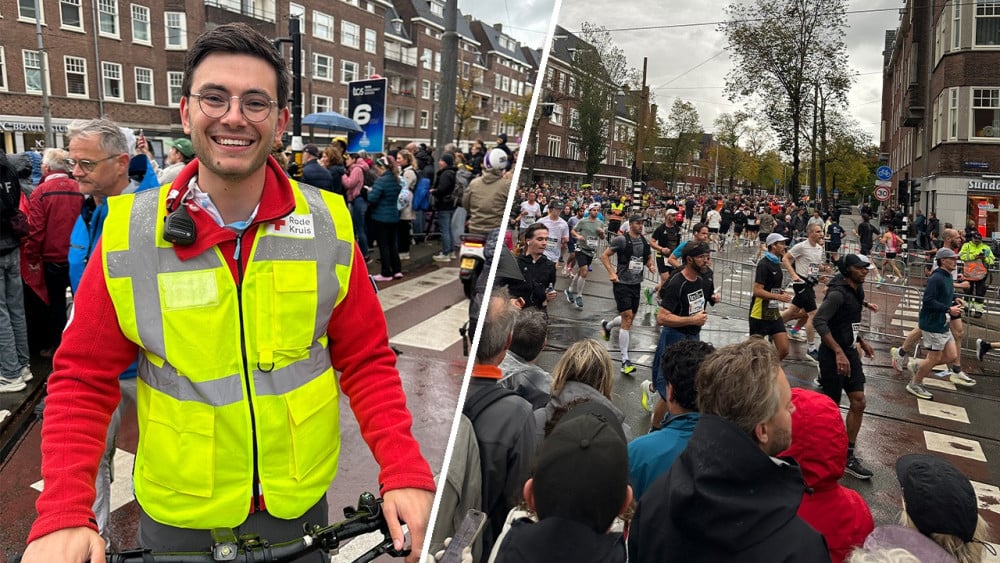
Aid worker Tim has been volunteering at Amsterdam Marathon for nearly nine years

Tim Zandbergen has volunteered as a first aid responder for the Amsterdam Marathon for nearly nine years, using his bicycle to provide rapid medical assistance. He carries essential equipment like an AED to help participants and spectators during emergencies, including life-threatening situations.

How to recover after a marathon: Five tips from a physiotherapist

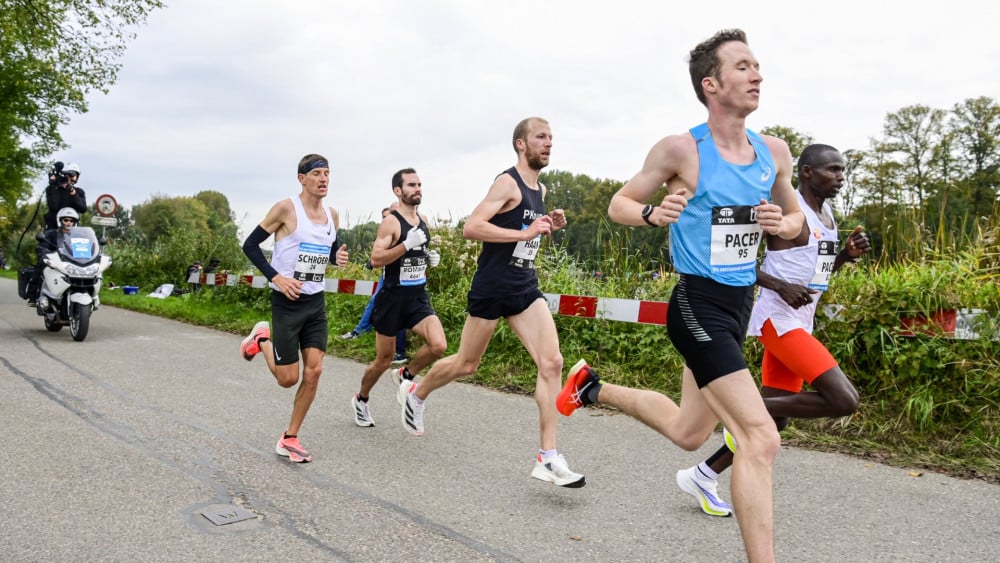
How to recover after a marathon: Five tips from a physiotherapist

Physical therapist Milou Schooneman offers recovery tips for participants of the Amsterdam Marathon, emphasizing the need for gentle movement, proper nutrition, and hydration. She advises runners to gradually rebuild their training intensity over the week following the race and to seek medical advice if muscle pain persists.

Cause of illnesses during Grolsch brewery tour still unclear: 'Terrible'

Cause of illnesses during Grolsch brewery tour still unclear: 'Terrible'

Eleven people were hospitalized after falling ill during a brewery tour at Grolsch in Enschede on Saturday. While investigations are underway to identify the cause of the nausea and vomiting, the brewery confirmed the incident did not impact their wider beer production process.