nu

Anti-smoking foundation loses final ruling on 'cheating cigarettes'

Anti-smoking foundation loses final ruling on 'cheating cigarettes'

The Dutch Trade and Industry Appeals Tribunal has ruled against the anti-smoking organization Rookpreventie Jeugd regarding their request to change cigarette testing methods. The court determined that tobacco manufacturers are legally bound to use the established measurement standard, effectively dismissing claims about so-called cheat cigarettes. The foundation expressed disappointment, noting that the ruling avoids addressing the health risks associated with how filters affect smoke intake.

In 2018, the anti-smoking organization Rookpreventie Jeugd urged the Netherlands Food and Consumer Product Safety Authority to adopt a different testing method for cigarettes. The organization argued that the standard method fails to account for how smokers' fingers and lips cover ventilation holes in filters, leading to the inhalation of significantly higher levels of tar, nicotine, and carbon monoxide. Studies by the RIVM indicated that actual intake could be fifteen times higher than official figures suggest. However, the Trade and Industry Appeals Tribunal recently ruled against the foundation. Citing a European Court of Justice decision, the tribunal confirmed that manufacturers are legally required to use only the established industry measurement method. Industry representatives welcomed the ruling, stating it validates their current practices and denies the existence of so-called cheat cigarettes. Foundation chair Wanda de Kanter expressed disappointment, arguing that the court prioritized procedural details over the actual health impacts. She claims that tobacco companies will continue using filters that render cigarettes more addictive and harmful than European regulations intended, leaving the core health issue unaddressed by the legal system.

Based on reporting by nu. Translated and condensed by LocalHeadlines.
Related articles

Haarlem takes financial risk with new Spaarne Gasthuis construction

Haarlem takes financial risk with new Spaarne Gasthuis construction

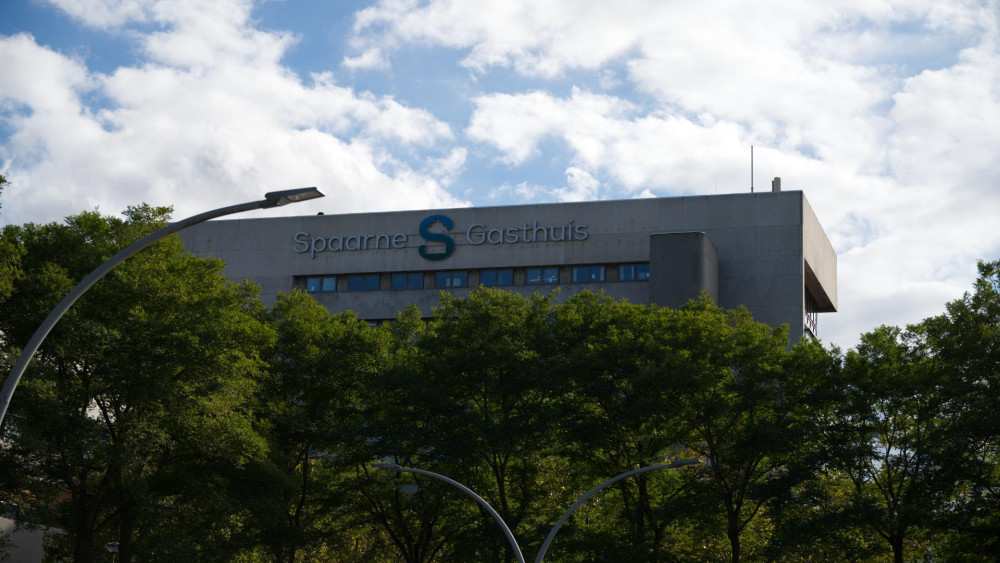
Haarlem is assuming significant financial risk by providing a 100 million euro guarantee and committing to purchase the current hospital site for 25 million euros to keep the Spaarne Gasthuis in the city. The initiative ensures 24-hour emergency care remains in Haarlem, though the city has deferred requirements for building staff housing.

End to intake freeze at Levvel, youths with severe issues can once again be admitted in Amsterdam

End to intake freeze at Levvel, youths with severe issues can once again be admitted in Amsterdam

Care organization Levvel has ended its intake freeze for Amsterdam youth following successful negotiations to secure more beds for those in need of severe residential care. While access has been restored, the municipality is demanding better coordination among providers and has initiated an independent financial audit of Levvel to ensure future stability.

22,000 homes at risk due to cabinet funding shortfall: ‘We must also solve the housing crisis’

22,000 homes at risk due to cabinet funding shortfall: ‘We must also solve the housing crisis’

A lack of government funding for public transport infrastructure threatens the construction of 22,000 new homes across the Netherlands. Stakeholders warn that these housing projects are at risk because they rely on new transit connections to remain viable.

The Greenhouse | I prefer to jump on the facts rather than the barricade

The Greenhouse | I prefer to jump on the facts rather than the barricade

A climate journalist explores the tension between objective reporting and the pressure to advocate for systemic change to combat the climate crisis. The author concludes that journalists should remain factual rather than activist to effectively reach a wide and diverse audience.

Trade with Russia remains lucrative, but companies face risks

Trade with Russia remains lucrative, but companies face risks

Despite 21 rounds of European Union sanctions against Russia, some businesses continue to profit by using third-party countries to bypass export restrictions. Experts warn that while such trade is lucrative, it carries significant legal risks, including criminal prosecution and prison time for those who intentionally circumvent these measures.