Dutch citizens must be able to survive for 72 hours, but emergency broadcaster falls short
The Dutch government urges citizens to prepare for 72 hours of self-sufficiency during emergencies, but regional disaster broadcasters currently lack the fuel reserves to maintain service for that period. Officials are now working to establish new agreements to secure backup fuel and infrastructure, as the government faces criticism for demanding preparedness from the public that its own systems cannot yet support.
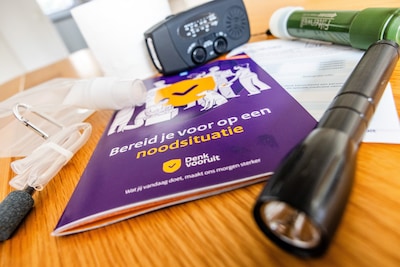
The Dutch government currently advises citizens to prepare for 72 hours of self-sufficiency during emergencies, including possessing an emergency radio to tune into regional disaster stations. However, it has emerged that these regional broadcasters are not currently equipped to remain operational for that duration. While the stations utilize backup generators, they lack the necessary fuel reserves to power them for three full days. Furthermore, the transmission towers required to broadcast these signals also face challenges regarding sustained backup power and fuel logistics.
Government officials and regional broadcasters acknowledge that clearer agreements are required to ensure continuous service, particularly concerning the prioritization of fuel supplies during crises. The Ministry of Education, Culture and Science is currently assessing the needs of these broadcasters to address the issue, although the process is described as a complex puzzle. While local media outlets affirm their readiness to provide news during emergencies, they remain dependent on government-led infrastructure support, leaving a gap between the government's official preparedness guidelines and its own operational capabilities.
Based on reporting by ad. Translated and condensed by LocalHeadlines.