nu

Without climate action, nearly all coral reefs risk disappearing
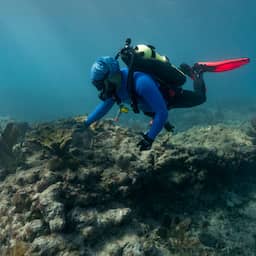
Without climate action, nearly all coral reefs risk disappearing

A new IUCN report warns that climate change could destroy 96 percent of the world's coral reefs by 2075 if current trends continue. Experts state that while reefs are currently under severe threat, recovery is possible through immediate global emission reductions and local conservation efforts.

A new report presented by the IUCN at a biodiversity summit in Yerevan, Armenia, warns that nearly all coral reefs could face collapse by 2075 without urgent climate action. Evaluating 127 reef systems spanning over 180,000 square kilometers, the study highlights that approximately one-quarter of these ecosystems are already severely threatened. Rising ocean temperatures are identified as the primary driver behind this projected decline, which puts iconic structures like the Great Barrier Reef and the Coral Triangle at significant risk. The findings underscore the critical role reefs play, as they support over 25 percent of all marine life.

Despite these dire predictions, researchers maintain that coral reefs possess inherent resilience and recovery is possible. Experts emphasize that urgent reductions in greenhouse gas emissions must be paired with local environmental protections. Authorities are urged to prioritize sustainable fishing practices and the maintenance of clean coastal waters to protect reefs, as well as associated mangroves and seagrasses. However, meeting these conservation goals remains a major challenge, particularly as international progress toward global biodiversity targets appears to be falling behind schedule.

Based on reporting by nu. Translated and condensed by LocalHeadlines.

Related articles

Years of illegal use of Schiphol: environmental groups and local residents take legal action over cabinet plans

Years of illegal use of Schiphol: environmental groups and local residents take legal action over cabinet plans

A coalition of environmental groups and residents has challenged new government regulations for Schiphol Airport at the Council of State. The plaintiffs claim the rules legitimize years of illegal operations and are seeking a mandatory reduction in flight numbers.

From near extinction to a thriving fishery: how Portugal’s sardine population was saved

From near extinction to a thriving fishery: how Portugal’s sardine population was saved

After facing near-extinction due to overfishing, Portugal's sardine population is recovering thanks to a successful management plan. This restoration has revitalized the local fishing industry while ensuring the fish remains a sustainable and healthy staple of the Portuguese diet.

Italy agrees to diesel measures following trucker blockades

Italy agrees to diesel measures following trucker blockades

Italian Prime Minister Giorgia Meloni has introduced a package of tax credits and subsidies to help transport companies, farmers, and fishermen cope with soaring diesel prices. This decision followed a week of protests and road blockades by truck drivers, who ceased their actions once the government committed to the financial support measures.

Nepal becomes first country ever to receive millions for climate disaster

Nepal becomes first country ever to receive millions for climate disaster

Nepal has become the first country to receive financial support from a dedicated UN climate damage fund following catastrophic floods. While the 18 million euro commitment is a landmark test for the fund, it covers only a fraction of the billions needed for the country's full reconstruction.

Dutch Consumers Association warns against false promises by water filter sellers

Dutch Consumers Association warns against false promises by water filter sellers

The Dutch Consumers Association has warned against misleading advertisements for unnecessary home water filters that falsely promise to remove contaminants like lead and chlorine. Experts caution that these products offer no added value in the Netherlands and may even pose health risks by accumulating bacteria or releasing trapped chemicals into the water.