Is the petrol car saved? European automakers are falling even further behind
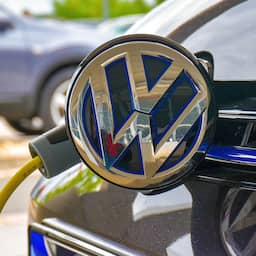
Germany and France are proposing to soften strict EU climate rules that would have banned new combustion engines by 2035, aiming to support the European automotive industry. Critics and industry experts warn that this decision risks delaying the transition to electric vehicles and leaves European manufacturers further behind global competitors like China.
A potential shift in European automotive policy is underway as Germany and France have proposed loosening strict climate regulations regarding the 2035 ban on combustion engines. The move, intended to protect the European auto industry by allowing continued space for fuel-based vehicles, faces significant opposition from environmental groups who label it a historic mistake. Critics, including energy policy experts, argue that prioritizing traditional engines will only deepen the technological gap between European manufacturers and their global competitors, particularly China, who continue to lead in electric vehicle development and battery innovation. While automakers seek flexibility due to economic pressures and job security concerns, the market for electric vehicles is already expanding rapidly. In the Netherlands, electric models accounted for over half of all new vehicle sales in the third quarter of this year. European officials and industry stakeholders remain divided, with ongoing debates in the European Parliament expected to determine the final regulatory framework for future vehicle production and environmental standards.
Based on reporting by nu. Translated and condensed by LocalHeadlines.