nu

Heineken warns British pubs and bars over use of weight-loss drugs
Heineken warns British pubs and bars over use of weight-loss drugs

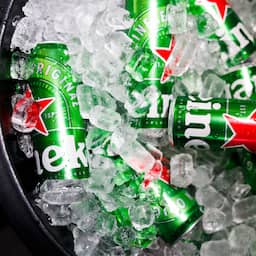
Heineken has warned British pubs that the rising use of GLP-1 weight-loss medications is changing alcohol consumption patterns. The brewer suggests that venues should adjust their strategies by promoting smaller serving sizes and non-alcoholic options to adapt to customers who are drinking less.

Dutch brewing giant Heineken has issued a warning to pubs and bars in the United Kingdom regarding the impact of popular GLP-1 weight-loss medications on consumer habits. The company noted that these drugs, which create a feeling of fullness, are leading some customers to consume less alcohol. In a presentation shared with hospitality clients, Heineken suggests that venues adapt to these shifting trends by promoting half-pint servings, low-alcohol or alcohol-free options, and smaller food pairings to maintain sales.

While the company acknowledges a noticeable shift in behavior, it emphasizes that users of these medications are not quitting alcohol entirely. Instead, they appear to be opting for smaller glasses and lighter or more premium beverages. Heineken, which owns 2,000 pubs across the UK and generates significant revenue in the region, stated that its current product portfolio is well-positioned to meet these changing consumer preferences. This recognition by a major industry player highlights the growing concern among alcohol producers regarding the broader influence of modern weight-loss treatments on the beverage market.

Based on reporting by nu. Translated and condensed by LocalHeadlines.
Related articles

Dutch Consumers Association warns against false promises by water filter sellers

Dutch Consumers Association warns against false promises by water filter sellers

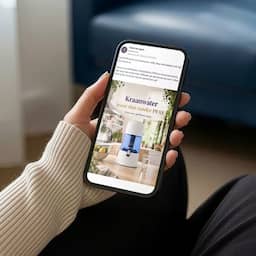
The Dutch Consumers Association has warned against misleading advertisements for unnecessary home water filters that falsely promise to remove contaminants like lead and chlorine. Experts caution that these products offer no added value in the Netherlands and may even pose health risks by accumulating bacteria or releasing trapped chemicals into the water.

Years of illegal use of Schiphol: environmental groups and local residents take legal action over cabinet plans

Years of illegal use of Schiphol: environmental groups and local residents take legal action over cabinet plans

A coalition of environmental groups and residents has challenged new government regulations for Schiphol Airport at the Council of State. The plaintiffs claim the rules legitimize years of illegal operations and are seeking a mandatory reduction in flight numbers.

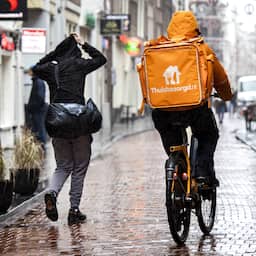
Thuisbezorgd and Uber Eats to provide clear information on mandatory extra fees

Thuisbezorgd and Uber Eats to provide clear information on mandatory extra fees

Thuisbezorgd and Uber Eats have agreed to display all mandatory service fees upfront following pressure from the Dutch Consumers Association regarding hidden costs and misleading discounts. To compensate customers for past issues, both companies will issue discount vouchers worth between 5 and 30 euros.

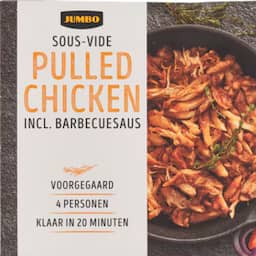
Jumbo recalls pulled chicken due to possible raw chicken content

Jumbo recalls pulled chicken due to possible raw chicken content

Jumbo is recalling its pulled chicken product because it may contain raw poultry, which carries a risk of salmonella or campylobacter infection. Customers can return the product to any Jumbo store for a full refund without needing a receipt.

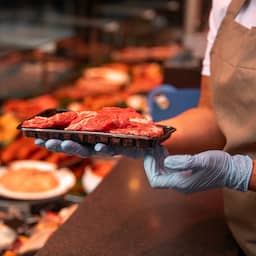
Butcher surprised by drop in meat consumption: 'Customers keep coming'

Butcher surprised by drop in meat consumption: 'Customers keep coming'

Meat consumption in the Netherlands has dropped by 12 percent over the last ten years, driven largely by the rising cost of beef and pork. Despite this national decline, specialized butcher shops remain stable by diversifying their product assortments and catering to customers who prioritize quality.