ad

Demand for Chinese cars is surging; German and French manufacturers fall behind
Demand for Chinese cars is surging; German and French manufacturers fall behind

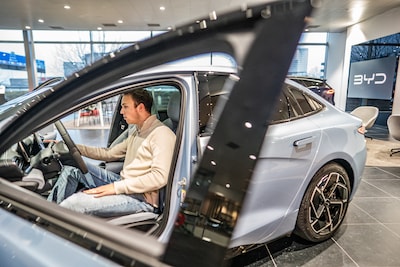
Chinese car sales in the Netherlands have more than doubled this year, significantly impacting traditional European manufacturers. Strong demand for affordable, feature-rich electric and hybrid vehicles, supported by partnerships with local dealers, has propelled China to become a leading player in the Dutch automotive market.

Sales of Chinese automobiles in the Netherlands have surged by nearly 125 percent in the first nine months of the year, with 18,175 units sold. This rapid growth comes as traditional European brands from Germany and France face significant market share declines. Experts attribute this shift to the competitive pricing, high-quality standard features, and strong battery performance of Chinese electric vehicles, which align well with the rising demand for electrification in the Dutch market. Partnerships between Chinese manufacturers and established local dealers have further bolstered consumer confidence. While Chinese vehicles excel in the electric and plug-in hybrid segments, some uncertainties remain regarding their long-term reliability and residual value compared to Western counterparts. Despite European attempts to regulate imports and protect local industries through potential subsidies and trade agreements, analysts suggest that China is rapidly becoming a dominant force in the global automotive sector, with forecasts indicating that most major manufacturers could be Chinese by 2035.

Based on reporting by ad. Translated and condensed by LocalHeadlines.
Related articles

Police launch criminal investigation into cyberattack on Albert Heijn parent company

Police launch criminal investigation into cyberattack on Albert Heijn parent company

Dutch police have launched a criminal investigation into a cyberattack against Ahold Delhaize that disrupted operations at stores like Albert Heijn. While the incident caused significant logistical problems, the company reports no evidence that personal data has been stolen.

Disappointment over Airbnb 'dishwashing ban': 'Not much of the romance left'

Disappointment over Airbnb 'dishwashing ban': 'Not much of the romance left'

Airbnb is ending the practice of allowing hosts to impose specific cleaning tasks, such as washing dishes or stripping beds, on their guests before checkout. Experts suggest this move aims to make the platform more mainstream, though some question if the change will truly benefit the user experience.

Most Albert Heijn customers still unable to order online delivery due to ongoing app issues

Most Albert Heijn customers still unable to order online delivery due to ongoing app issues

Albert Heijn has resumed home grocery deliveries at reduced capacity following a cyberattack on parent company Ahold Delhaize that halted services for nearly two weeks. Despite the restart, customers report ongoing technical errors with the app and website, while experts estimate the company lost up to 200 million euros in revenue during the outage.

An emergency neighborhood supermarket that always has toilet paper, rice and crispbread in stock: it’s happening in Denmark

An emergency neighborhood supermarket that always has toilet paper, rice and crispbread in stock: it’s happening in Denmark

Denmark is preparing to launch 51 emergency supermarkets equipped to function during power outages and cyberattacks, providing essential supplies even without grid connectivity. The Netherlands is currently exploring similar strategies as part of a national food security plan, though no concrete implementation has been finalized.

Is the petrol car saved? European automakers are falling even further behind

Is the petrol car saved? European automakers are falling even further behind

Germany and France are proposing to soften strict EU climate rules that would have banned new combustion engines by 2035, aiming to support the European automotive industry. Critics and industry experts warn that this decision risks delaying the transition to electric vehicles and leaves European manufacturers further behind global competitors like China.