nu

Chinese electric and hybrid cars gain ground in Europe
Chinese electric and hybrid cars gain ground in Europe

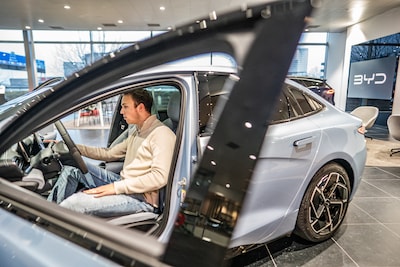
Chinese car brands have surpassed Japanese competitors in the European market, reaching a 15 percent share by this past September. The European Union has introduced import restrictions and tariffs in response to concerns regarding unfair state-subsidized competition, negatively impacting major European manufacturers.

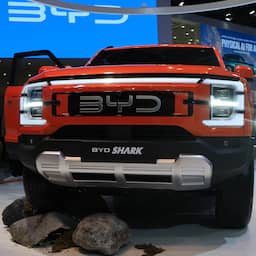
Chinese automobile brands are experiencing significant growth in the European market, officially outpacing Japanese competitors in sales volume during the most recent quarter. While Japanese manufacturers like Toyota and Nissan have stabilized at approximately 12 percent of the market, Chinese companies such as BYD and Chery have surged from a mere 1 percent market share five years ago to 15 percent by September. This rapid expansion has been particularly noticeable as consumers react to potential trade restrictions.

The European Union has responded to this shift by implementing import tariffs and quotas, citing concerns over unfair competition and state subsidies provided by the Chinese government. These measures have placed significant pressure on major European carmakers, including BMW and Volkswagen, who have reported declining sales and have begun announcing corporate reorganizations. As Brussels continues to push for policies to limit the influx of these vehicles, the automotive industry faces a period of volatility while balancing trade regulations with consumer demand.

Based on reporting by nu. Translated and condensed by LocalHeadlines.

Related articles

Government and industry invest hundreds of millions in medical technology

Government and industry invest hundreds of millions in medical technology

The Dutch government and private industry are investing hundreds of millions into medical technology, focusing on AI and robotics to improve treatment for serious illnesses and address healthcare staffing shortages. The initiative, detailed in the MedTech 2035 agenda, also aims to promote remote care innovation to strengthen both the national healthcare system and the economy.

Demand for Chinese cars is surging; German and French manufacturers fall behind

Demand for Chinese cars is surging; German and French manufacturers fall behind

Chinese car sales in the Netherlands have more than doubled this year, significantly impacting traditional European manufacturers. Strong demand for affordable, feature-rich electric and hybrid vehicles, supported by partnerships with local dealers, has propelled China to become a leading player in the Dutch automotive market.

Audi announces first US car factory during Trump election campaign

Audi announces first US car factory during Trump election campaign

Audi has announced a 3.6 billion euro investment to build its first American vehicle manufacturing plant in Georgia, which will create 4,500 jobs and produce 200,000 SUVs annually. President Trump highlighted the investment as a success of his tariff policies, while Audi CEO Gernot Döllner stated the move aims to strengthen the company's global competitiveness.

Police launch criminal investigation into cyberattack on Albert Heijn parent company

Police launch criminal investigation into cyberattack on Albert Heijn parent company

Dutch police have launched a criminal investigation into a cyberattack against Ahold Delhaize that disrupted operations at stores like Albert Heijn. While the incident caused significant logistical problems, the company reports no evidence that personal data has been stolen.

Crypto company sues Trump and his crypto business for corruption

Crypto company sues Trump and his crypto business for corruption

Shareholder Benjamin Greenberg has sued Donald Trump, alleging that his cryptocurrency firm World Liberty Financial accepted illegal foreign payments. The lawsuit claims these transactions violate the U.S. Constitution and raise serious concerns regarding corruption and conflicts of interest during Trump's presidency.