Europe remains a difficult market for Unilever
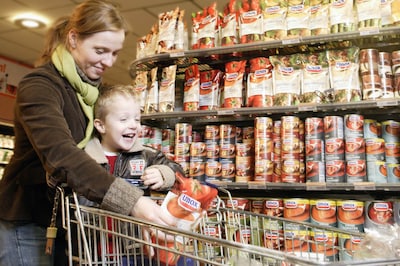
Unilever faces significant challenges in European and American markets as price-sensitive consumers prefer cheaper private-label goods, forcing the company to reconsider its pricing strategies. To counter these difficulties, the firm is divesting its food division to focus on personal care and cleaning products while reporting strong growth in emerging economies.
Unilever continues to struggle in European and American markets as consumers increasingly shift toward cheaper private-label alternatives instead of the company's premium brands. CEO Fernando Fernandez noted that retailers are demanding lower prices, preventing the company from successfully passing on increased raw material costs. Consequently, Unilever has faced pressure to reduce prices in some instances, negatively impacting their financial performance in these regions. Despite these challenges, the company plans to pursue price increases in the near future to offset rising operational expenses.
To reshape its portfolio, Unilever is offloading its food division, including brands like Knorr and Hellmann’s, to the American spice manufacturer McCormick. While the food sector faces difficulties, the company's personal care and home hygiene segments, such as Dove and Omo, continue to perform well. Furthermore, the company is experiencing strong growth in emerging markets like India and Brazil. Meanwhile, Unilever is assessing its legal options after the competition authority, ACM, blocked the planned sale of its smoked sausage business to Zwanenberg due to market competition concerns.
Based on reporting by ad. Translated and condensed by LocalHeadlines.