How the North Sea Canal pulled the city out of a slump: "Otherwise it would all have gone to Rotterdam"
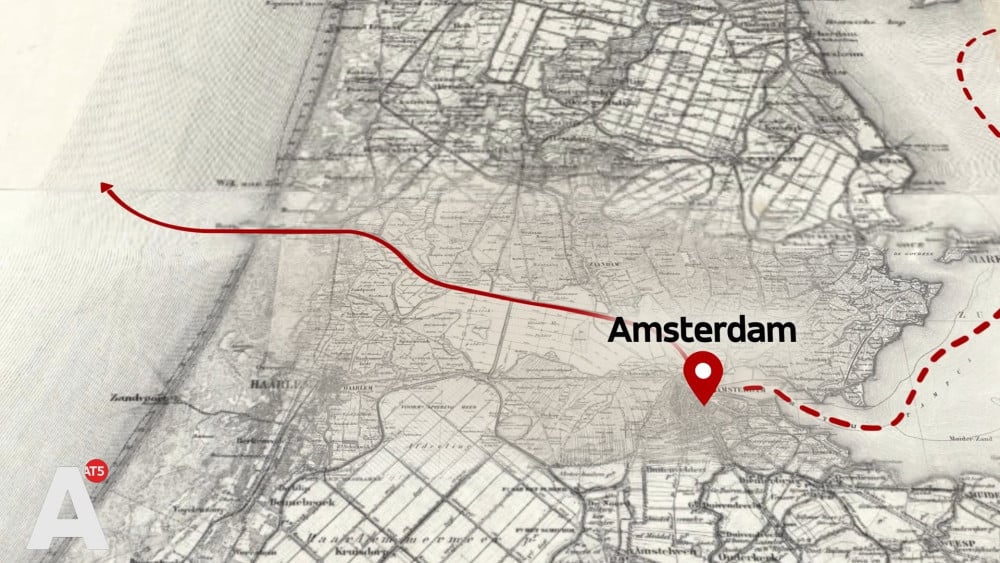
The North Sea Canal, which opened 150 years ago, saved Amsterdam from a major economic decline by providing essential maritime access. The project revitalized the city's struggling port and transformed it into a modern industrial hub, preventing it from losing its economic relevance to other cities like Rotterdam.
Exactly 150 years ago, the opening of the North Sea Canal transformed Amsterdam, saving the city from a severe 19th-century economic depression. At that time, Amsterdam faced significant challenges, including a dilapidated port, high unemployment, and poor maritime accessibility due to the silting of the IJ. With larger ships struggling to reach the city and competitors like Rotterdam gaining momentum, the construction of the canal became essential for survival. Despite the reluctance of local investors, the project was funded by British capital and excavated by thousands of workers under harsh conditions over a ten-year period.
The canal's completion fundamentally changed Amsterdam's trajectory, facilitating the growth of a modern port industry and population. Key infrastructure developments, such as the construction of Central Station and new warehouses, spurred economic activity that moved the city away from potential stagnation. Today, the Port of Amsterdam remains a vital economic driver, though it now faces modern challenges regarding urban housing development and the transition toward green energy. Experts agree that without this crucial infrastructure, Amsterdam might have faded into a tourist-focused historical site instead of a thriving modern hub.
Based on reporting by rss. Translated and condensed by LocalHeadlines.