Why venting to an AI bot is a bad idea: 'Fake empathy'
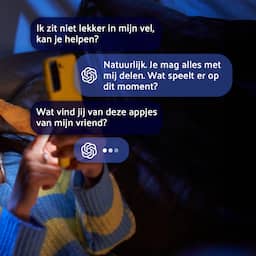
Experts warn that relying on AI chatbots for personal guidance is risky because these systems provide counterfeit empathy rather than genuine human connection. While chatbots can assist with organizing thoughts, the lack of constructive friction and human accountability can lead to increased loneliness and emotional dependency.
Using AI chatbots to discuss personal problems can be risky because these systems lack true empathy and offer only superficial responses. While chatbots may help organize thoughts or act as a neutral sounding board for some, they lack the capacity for healthy social friction—the constructive disagreement that helps people grow. Sociologists and AI experts warn that relying on machines for emotional support can create a dangerous cycle of loneliness, especially for vulnerable individuals, as users increasingly prioritize AI-generated validation over the complexities of human relationships. The case of a teenager who tragically died after sustained interactions with a chatbot highlights the severe dangers of this dynamic. Experts argue that while AI can provide neutral guidance in specific situations, such as for individuals with autism, it should not replace human connections. They advocate for better user protections, including integrated friction and independent oversight, to ensure people continue to rely on their own internal judgment and authentic social circles rather than artificial understanding provided by tech companies.
Based on reporting by nu. Translated and condensed by LocalHeadlines.