nu

Dollar withdrawals resume on Binance after largest crypto theft ever

Dollar withdrawals resume on Binance after largest crypto theft ever

Binance has resumed dollar withdrawals following a major cyberattack on October 29 that saw 6.3 billion dollars in assets stolen. While users quickly withdrew 3.64 billion dollars in response, the exchange has covered most of the losses and stabilized operations while the FBI investigates the North Korean-linked Lazarus Group for the theft.

Cryptocurrency exchange Binance has officially resumed dollar withdrawals following a massive cyberattack on October 29 that resulted in the theft of 6.3 billion dollars in digital assets. The company initially suspended all transactions as a precaution but has gradually reinstated services after completing rigorous security checks. While major cryptocurrencies like Bitcoin, Ether, and BNB are now available for withdrawal, the platform has faced a significant impact from customer reactions. Users withdrew a net total of 3.64 billion dollars shortly after the services resumed, which represents approximately 2.1 percent of the company's 171 billion dollars in total assets. Despite this outflow, Binance claims to have covered 95 percent of the stolen funds and reports that withdrawal activity has since stabilized. The FBI has attributed the sophisticated heist to the North Korean hacker collective known as TraderTraitor, or the Lazarus Group. Investigators note that the attackers attempted to obfuscate the stolen assets by rapidly dispersing them across thousands of digital addresses and converting them primarily into Ethereum to facilitate money laundering.

Based on reporting by nu. Translated and condensed by LocalHeadlines.

Related articles

Dutch people in Silicon Valley also feel impact of Donald Trump’s policies: 'Tariffs are very chaotic'

Dutch people in Silicon Valley also feel impact of Donald Trump’s policies: 'Tariffs are very chaotic'

Dutch expatriates working in Silicon Valley have expressed concerns regarding the unpredictable policies of Donald Trump, citing chaotic trade tariffs and sudden budget freezes. As the midterm elections approach, these professionals continue to navigate the professional challenges posed by the current administration's political climate.

Hackers disable refrigeration at dozens of Belgian Delhaize stores

Hackers disable refrigeration at dozens of Belgian Delhaize stores

Hackers have disabled the refrigeration systems at over forty Delhaize supermarkets across Belgium, causing operational disruptions in both Flanders and Wallonia. The incident follows a pattern of similar cyberattacks on European grocery retailers, including a previous breach involving parent company Ahold Delhaize last October.

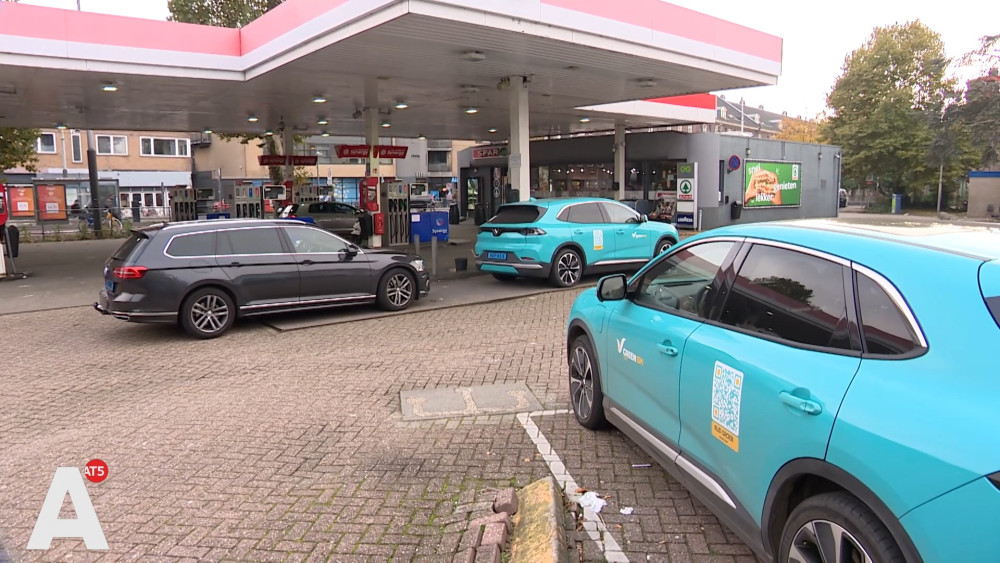
Why are there suddenly so many turquoise cars in the city?

Why are there suddenly so many turquoise cars in the city?

Hundreds of distinctive turquoise electric taxis from a Vietnamese company have appeared on the streets of Amsterdam since September. The firm is expanding its European presence, offering drivers unique employment terms while currently maintaining low pricing that experts expect to rise in the future.

VodafoneZiggo also wants to see more staff in the office and tightens rules

VodafoneZiggo also wants to see more staff in the office and tightens rules

VodafoneZiggo is proposing a new policy that would require office-based employees to work from the office three days a week instead of the current two. The company has introduced a voluntary departure scheme for staff who cannot or do not wish to adhere to the increased office attendance requirements starting January 1.

FBI also confirms North Korea is behind billion-dollar hack of crypto exchange Binance

FBI also confirms North Korea is behind billion-dollar hack of crypto exchange Binance

The FBI has identified the North Korean hacker group TraderTraitor as the entity responsible for a multi-billion dollar theft from the Binance cryptocurrency exchange. Binance has confirmed that it is covering 90 percent of the losses using its own reserves to prevent financial impact on its users.