ad

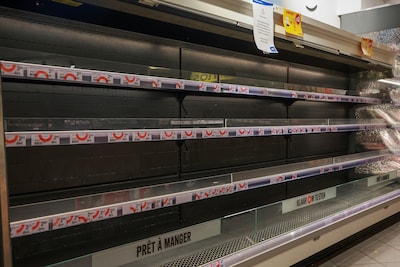
Hackers attack internet-connected cooling systems: 'Software is old, broken junk'
Hackers attack internet-connected cooling systems: 'Software is old, broken junk'

Hackers launched a massive cyberattack on internet-connected cooling systems across Europe, causing temperatures in supermarkets and local shops to reach dangerous levels. The incident has prompted concerns about the security of IoT devices and the increasing use of AI by cybercriminals.

Based on reporting by ad. Translated and condensed by LocalHeadlines.

Related articles

Mystery surrounds hacked supermarket cooling systems: 'Who stands to gain?'

Mystery surrounds hacked supermarket cooling systems: 'Who stands to gain?'

Supermarket cooling systems across Europe were targeted by a cyberattack that remotely disabled temperature controls, leading to widespread food spoilage and significant financial losses. Security experts remain uncertain about the perpetrators' motives, as the systems were vulnerable due to outdated security protocols and direct internet access.

Dutch people in Silicon Valley also feel impact of Donald Trump’s policies: 'Tariffs are very chaotic'

Dutch people in Silicon Valley also feel impact of Donald Trump’s policies: 'Tariffs are very chaotic'

Dutch expatriates working in Silicon Valley have expressed concerns regarding the unpredictable policies of Donald Trump, citing chaotic trade tariffs and sudden budget freezes. As the midterm elections approach, these professionals continue to navigate the professional challenges posed by the current administration's political climate.

FBI also confirms North Korea is behind billion-dollar hack of crypto exchange Binance

FBI also confirms North Korea is behind billion-dollar hack of crypto exchange Binance

The FBI has identified the North Korean hacker group TraderTraitor as the entity responsible for a multi-billion dollar theft from the Binance cryptocurrency exchange. Binance has confirmed that it is covering 90 percent of the losses using its own reserves to prevent financial impact on its users.

Google cut down 250,000 trees to build data center in Finland

Google cut down 250,000 trees to build data center in Finland

Google has cut down 250,000 trees in Muhos, Finland, to facilitate the construction of a large-scale data center. The project faced a temporary suspension due to missing environmental documentation, sparking a national debate about the impact of rapid tech infrastructure growth.

Malaysia seizes nearly 11 million euros worth of AI chips

Malaysia seizes nearly 11 million euros worth of AI chips

Malaysian authorities seized 11 million euros worth of AI chips at Kuala Lumpur International Airport after discovering them mislabeled as electronic components. This interception is part of a larger trend, with over 22 million euros in chips confiscated this year to prevent the circumvention of international export restrictions.