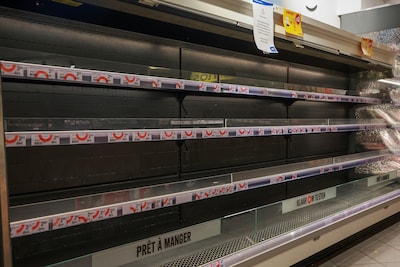
Mystery surrounds hacked supermarket cooling systems: 'Who stands to gain?'
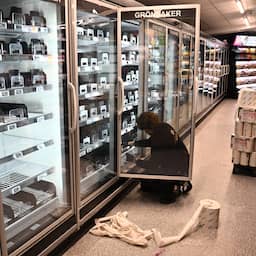
Supermarket cooling systems across Europe were targeted by a cyberattack that remotely disabled temperature controls, leading to widespread food spoilage and significant financial losses. Security experts remain uncertain about the perpetrators' motives, as the systems were vulnerable due to outdated security protocols and direct internet access.
Supermarket cooling systems across Europe, including at least seventeen locations in the Netherlands, were compromised in a widespread cyberattack on Monday. The hackers remotely activated the defrost mode on the equipment, causing temperatures to soar as high as 70 degrees Celsius and forcing retailers to discard significant amounts of food. This incident mirrors a similar attack that occurred in France last month, yet perpetrators have remained silent, leaving experts puzzled as to whether the motive is criminal, state-sponsored, or merely malicious disruption. Ahold Delhaize reported estimated damages of at least 100,000 euros so far. Cybersecurity specialists note that many of the targeted units were older systems lacking robust digital security and were accessible via the internet using standard passwords. Industry experts are now urging businesses to move beyond mere awareness and implement strict technical security measures, such as VPNs and two-factor authentication, while ensuring that unnecessary connections to the internet are severed to prevent future infrastructure disruptions.
Based on reporting by nu. Translated and condensed by LocalHeadlines.