nu

Part of Gelderland faces power grid connection freeze, Utrecht freeze extended
Part of Gelderland faces power grid connection freeze, Utrecht freeze extended

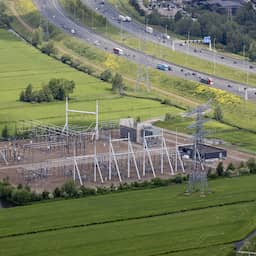
Sixteen municipalities in Gelderland have implemented a connection ban for the power grid, halting new or heavier connections for businesses and homes until July next year. Simultaneously, the existing grid connection stop in Utrecht is being extended as the national power network struggles to manage rising demand and renewable energy generation.

Sixteen municipalities in the Gelderland region of the Netherlands now face a connection ban for new power grid links. This measure, effective until at least July 1 of next year, impacts all applications submitted after July 1, 2024. It prevents businesses and new residential developments from securing increased or new grid capacity, though currently planned housing projects slated for construction within three years remain unaffected by these restrictions. A similar grid connection stop in the Utrecht region will also be extended due to persistent capacity shortages, despite recent improvements to the local network reliability.

These measures are part of a broader national effort to manage net congestion, as Dutch grid operators prioritize essential social functions to prevent outages. The overloading of the electrical network has become an increasing national concern, driven by higher electricity consumption and fluctuating production from renewable sources like solar and wind. This widespread infrastructure strain continues to cause delays for hundreds of large-scale projects across the country, as operators work to balance demand with limited available grid capacity.

Based on reporting by nu. Translated and condensed by LocalHeadlines.

Related articles

Restaurant Vooges aan ’t IJ bankrupt, another hospitality business fails at this ‘cursed location’

Restaurant Vooges aan ’t IJ bankrupt, another hospitality business fails at this ‘cursed location’

Restaurant Vooges aan 't IJ in Amsterdam has filed for bankruptcy due to mounting debt, marking the latest closure at a location known for its history of failed hospitality ventures. The owners, who have experience with other successful restaurants, will now shift their focus to their remaining business, Bar Staal.

Union welcomes VodafoneZiggo severance scheme: 'Not everyone can just go to the office three days a week'

Union welcomes VodafoneZiggo severance scheme: 'Not everyone can just go to the office three days a week'

VodafoneZiggo has introduced a voluntary departure scheme for employees who cannot meet the company's requirement to work from the office three days per week. The move follows a legal victory by Booking.com regarding office attendance, sparking concerns from labor unions as employers increasingly attempt to formalize such mandates.

Companies want to see employees in the office more often: 'People need contact'

Companies want to see employees in the office more often: 'People need contact'

Several major companies are ending remote work flexibility, requiring employees to return to the office to boost productivity and foster better collaboration. Experts note that while remote work can help with commuting issues, in-person presence is crucial for professional development and effective teamwork.

Danish supplier is the common denominator behind the warming cooling systems

Danish supplier is the common denominator behind the warming cooling systems

A cyberattack on refrigeration systems supplied by the Danish company Danfoss has disrupted operations at various European supermarkets and businesses. European officials are investigating the incident as a deliberate attempt to interfere with the continent's food supply, while the company maintains that users failed to update vulnerable software.

Mystery surrounds hacked supermarket cooling systems: 'Who stands to gain?'

Mystery surrounds hacked supermarket cooling systems: 'Who stands to gain?'

Supermarket cooling systems across Europe were targeted by a cyberattack that remotely disabled temperature controls, leading to widespread food spoilage and significant financial losses. Security experts remain uncertain about the perpetrators' motives, as the systems were vulnerable due to outdated security protocols and direct internet access.