nu

European Union heads into winter with lowest gas reserves in over a decade

European Union heads into winter with lowest gas reserves in over a decade

The European Union faces its lowest gas storage levels since 2013, increasing reliance on global LNG imports throughout the winter. While the Netherlands has met its storage targets, Germany has fallen short, and experts warn that market volatility could continue through 2027.

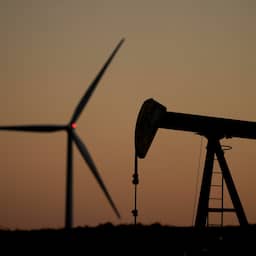
The European Union is entering the winter season with its lowest natural gas reserves since 2013, according to a report by the International Energy Agency. This significant decline in storage levels leaves the region increasingly dependent on global liquefied natural gas (LNG) imports to meet energy demands. Experts warn that a colder-than-anticipated winter or unforeseen supply chain disruptions could create severe vulnerabilities for the continent, with global market tightness expected to persist until at least 2027.

Within this context, national storage levels vary across Europe. Dutch gas storage facilities are currently filled to 66.5 percent, successfully hitting government targets. In contrast, Germany failed to meet its target of 70 percent, reaching only 62 percent capacity, though officials there remain confident. To address the financial burden, the Dutch government is considering a shift in how storage costs are allocated, as current policies require the state to intervene when commercial firms fail to maintain sufficient gas reserves, a cost that ultimately impacts consumers.

Based on reporting by nu. Translated and condensed by LocalHeadlines.

Related articles

Danish supplier is the common denominator behind the warming cooling systems

Danish supplier is the common denominator behind the warming cooling systems

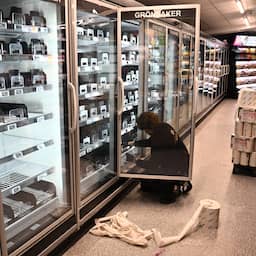
A cyberattack on refrigeration systems supplied by the Danish company Danfoss has disrupted operations at various European supermarkets and businesses. European officials are investigating the incident as a deliberate attempt to interfere with the continent's food supply, while the company maintains that users failed to update vulnerable software.

Mystery surrounds hacked supermarket cooling systems: 'Who stands to gain?'

Mystery surrounds hacked supermarket cooling systems: 'Who stands to gain?'

Supermarket cooling systems across Europe were targeted by a cyberattack that remotely disabled temperature controls, leading to widespread food spoilage and significant financial losses. Security experts remain uncertain about the perpetrators' motives, as the systems were vulnerable due to outdated security protocols and direct internet access.

Dutch people in Silicon Valley also feel impact of Donald Trump’s policies: 'Tariffs are very chaotic'

Dutch people in Silicon Valley also feel impact of Donald Trump’s policies: 'Tariffs are very chaotic'

Dutch expatriates working in Silicon Valley have expressed concerns regarding the unpredictable policies of Donald Trump, citing chaotic trade tariffs and sudden budget freezes. As the midterm elections approach, these professionals continue to navigate the professional challenges posed by the current administration's political climate.

Germany misses gas storage target but is not panicking

Germany misses gas storage target but is not panicking

Germany has missed its gas storage targets as rising prices caused by the conflict in Iran increased replenishment costs. Despite this, the German government insists that winter supply is secure, while the Netherlands has successfully reached its own storage goals.

France recalls even more condoms due to risk of tearing

France recalls even more condoms due to risk of tearing

France has recalled seven million condoms across Europe due to manufacturing flaws that cause the latex to tear, posing risks of pregnancy and disease. Dutch authorities are currently investigating the situation to determine if similar measures are required in the Netherlands.