ad

More adults in Haarlem are not filling out their organ donor forms
More adults in Haarlem are not filling out their organ donor forms

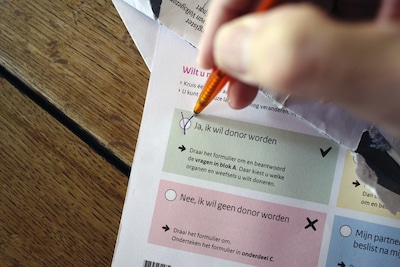
The number of adults in Haarlem who have not completed their donor registration has risen to 33,700, exceeding the national average. While these individuals are automatically listed as having no objection to organ donation by law, experts note that family members can still override this status after a death.

Recent figures from Statistics Netherlands (CBS) reveal that 33,700 adults in Haarlem have not filled out their organ donation forms, marking an increase from 32,500 in 2022. This group represents 27 percent of individuals in the local donor register, which is higher than the national average of 22 percent. Under current Dutch law, those who fail to register a preference are automatically listed as having no objection to donation, meaning they are considered donors unless family members intervene after their death. In Haarlem, 36 percent of registrants explicitly gave permission, 29 percent refused, and 9 percent deferred the decision to relatives.

Nationally, the trend of not making an active choice is rising, particularly among young people aged 18 to 25. While 3.4 million adults across the country are now listed as having no objection, the number of individuals choosing to actively provide consent has decreased. Despite these legislative measures, 1,600 patients remain on waiting lists for transplants in the Netherlands.

Based on reporting by ad. Translated and condensed by LocalHeadlines.
Related articles

Spoken word artist Manu van Kersbergen has a 9-year-old son who cannot speak: 'He teaches me language in a different way'

Spoken word artist Manu van Kersbergen has a 9-year-old son who cannot speak: 'He teaches me language in a different way'

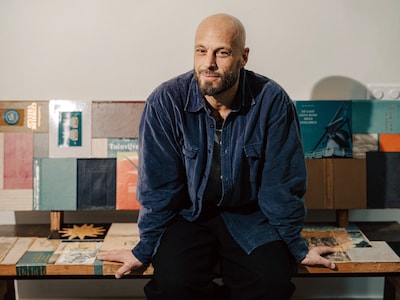
Spokenword artist Manu van Kersbergen shares insights into raising his nine-year-old son, Din, who is non-verbal. Van Kersbergen explains that despite the communication challenges, his son teaches him new ways to understand language and connection.

When every second counts: thirty Haarlem residents now have their own AED

When every second counts: thirty Haarlem residents now have their own AED

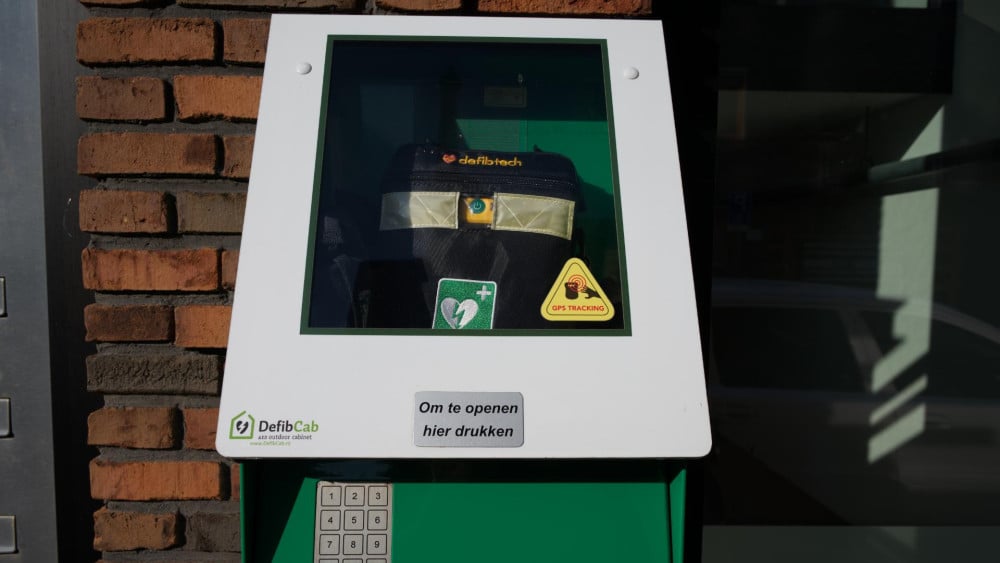
Thirty volunteers in Haarlem have been provided with personal AEDs as part of a pilot project to reduce response times during cardiac emergencies. Researchers from the Amsterdam UMC are analyzing whether this localized distribution helps citizen responders deliver life-saving care faster than relying on public devices.

Growing concerns in Haarlem over emotional abuse: 280 calls in six months

Growing concerns in Haarlem over emotional abuse: 280 calls in six months

Haarlem has seen a significant increase in reports of emotional abuse and partner intimidation, totaling approximately 280 cases in the first half of the year. While authorities attribute the rise to increased public awareness, the local support organization Veilig Thuis is warning of a national funding shortfall and systemic failures in handling domestic violence cases.

Suspects difficult to identify after robbery: Haarlem tests new method

Suspects difficult to identify after robbery: Haarlem tests new method

Police in Haarlem are testing a new reference card to help robbery victims provide more accurate descriptions of suspects. The initiative aims to improve witness observation skills and document unique details immediately after a crime occurs.

Police car ends up in ditch during pursuit in Haarlem

Police car ends up in ditch during pursuit in Haarlem

A police car landed in a ditch in Haarlem this afternoon following a high-speed pursuit that began when a driver ignored a stop signal. The officers involved in the crash were unharmed, and the suspect was subsequently arrested by authorities.