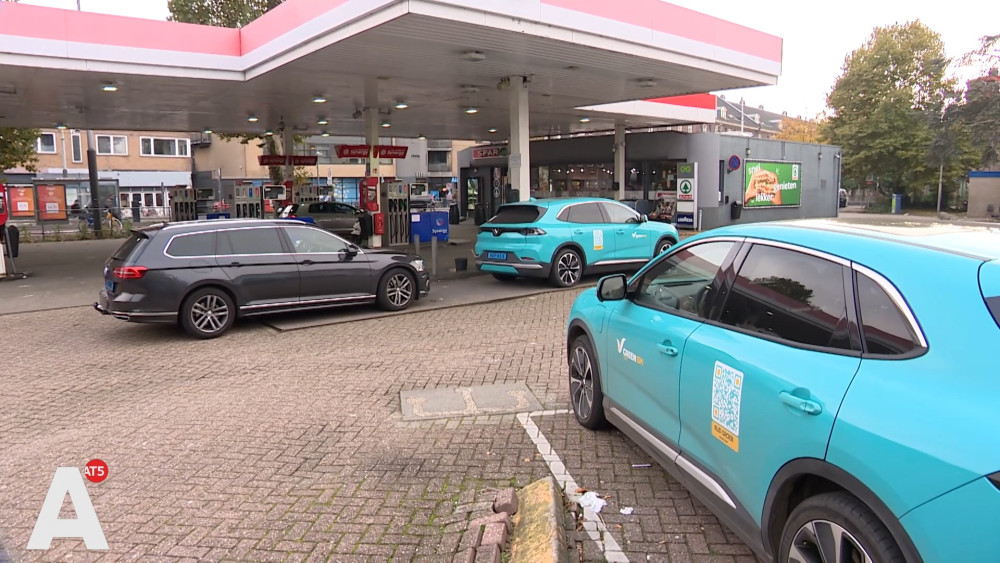
Charging stress is (almost) a thing of the past after 2,000 kilometers across Europe

A team traveling by electric vehicle from Europe to a climate summit in Antalya has successfully navigated most of their 2,000-kilometer journey, finding that charging infrastructure has improved significantly across many countries. While they faced technical difficulties and limited charging options in Serbia, the trip confirms that long-distance electric travel is becoming increasingly viable throughout Europe.
A group of colleagues traveling by electric van from Western Europe to a climate summit in Antalya, Turkey, has successfully completed most of their 2,000-kilometer journey. Despite earlier concerns about charging infrastructure, they found that countries like Germany, Austria, Slovenia, and Croatia are well-equipped with fast-charging networks. The travelers rarely struggled to find functioning stations in these regions, noting that charging availability has improved significantly across Europe compared to previous years.
The journey became more challenging while driving through Serbia, where charging points are scarce and infrastructure is less developed. The team faced technical issues with payment apps and incompatible charging cards, highlighting a persistent need for better standardization and transparency across borders. Similar difficulties were reported by other travelers who struggled with the requirement to install multiple local applications. Despite these localized hurdles, the team successfully reached Bulgaria and is on track to arrive in Antalya on time, demonstrating that long-distance electric travel across the continent is becoming increasingly feasible.
Based on reporting by nu. Translated and condensed by LocalHeadlines.