Children with disabilities often face longer commutes to school

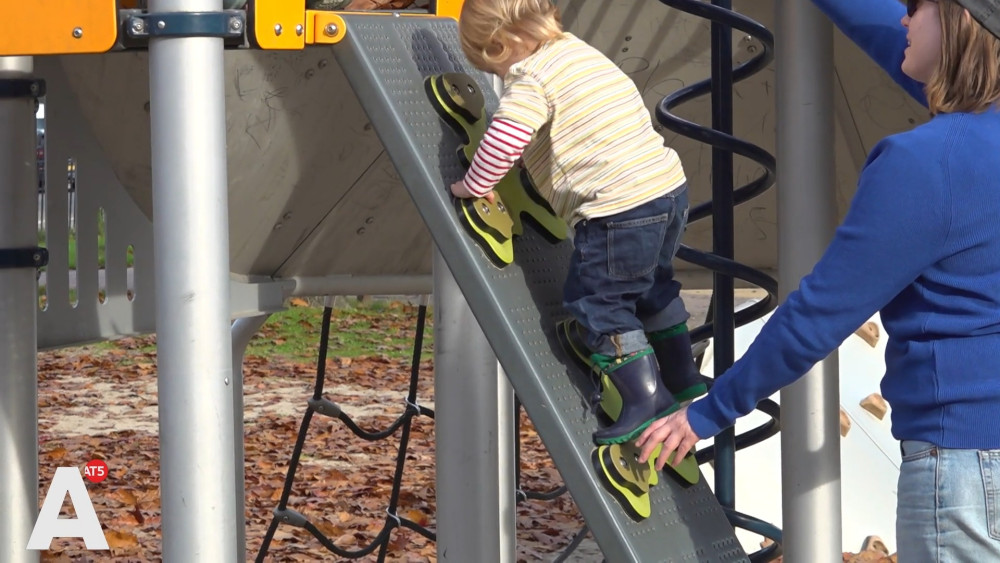
Nearly half of children with disabilities in the Netherlands must travel outside their hometown to attend school, often facing long commutes that hinder their social development. Experts advocate for more inclusive classrooms within regular schools to allow these children to learn alongside their peers and maintain local social connections.
Research by Stichting het Gehandicapte Kind indicates that nearly half of children with disabilities in the Netherlands do not attend school in their own hometown. The study of 800 children highlights that long commutes often prevent students from forming social connections, with over 40 percent never meeting classmates after school. Many children rely on specialized transport, and only a quarter attend the same school as their siblings, significantly limiting their integration into local communities.
Families are calling for more inclusive educational settings, such as the Samen naar School program, which integrates disabled children into regular schools with customized support. Success stories, such as a student in Amsterdam who attends a local school with tailored accommodations, demonstrate the benefits of keeping children close to home. By providing specialized care within regular school environments, organizers hope to ensure that children with disabilities can build friendships and participate in daily life alongside their peers.
Based on reporting by rss. Translated and condensed by LocalHeadlines.