ad

Is Amsterdam losing its sparkle? The craft of diamond cutting is dying out in the Netherlands

Is Amsterdam losing its sparkle? The craft of diamond cutting is dying out in the Netherlands

The traditional trade of diamond cutting is nearing extinction in the Netherlands, leaving only two companies to maintain the craft through internal apprenticeship programs. While Amsterdam lost its status as the global hub for diamond processing after World War II, firms like Gassan and Royal Coster Diamonds are working to preserve the industry by training new specialists.

The traditional craft of diamond cutting is fading in the Netherlands, with only about thirty practitioners remaining in the country today. Once a dominant global center with over 10,000 workers in 1900, Amsterdam now retains only two major firms, Royal Coster Diamonds and Gassan. The decline began following the Second World War when many cutters moved to Antwerp, shifting the industry's focal point. To preserve the heritage, both remaining companies have launched their own apprenticeship programs to train the next generation of specialists. Gassan, which currently employs fourteen cutters and six students, conducts its training at the historic site of the former Boas diamond factory. The curriculum focuses on mastering complex techniques, such as the company’s signature 121-facet diamond, which offers exceptional brilliance compared to standard designs. Despite the industry's overall contraction, Amsterdam remains a recognized name globally, attracting over 150,000 annual visitors to the House of Gassan for its craftsmanship and historical significance.

Based on reporting by ad. Translated and condensed by LocalHeadlines.
Related articles

Letter from entrepreneurs to municipality regarding tourist tax hike: "Many negative consequences"

Letter from entrepreneurs to municipality regarding tourist tax hike: "Many negative consequences"

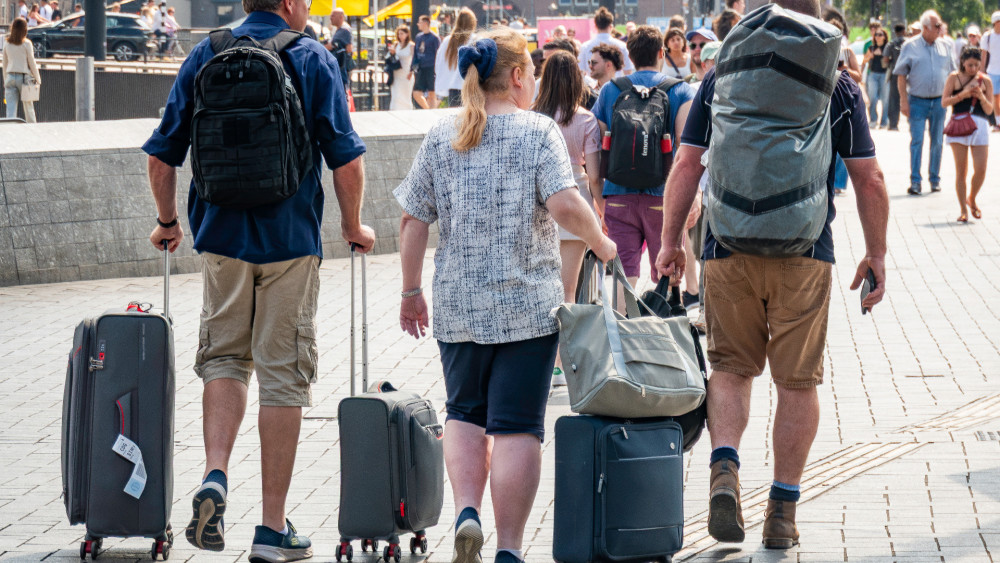
Business leaders in Amsterdam are urging the city council to reconsider planned tourist tax hikes, warning that they will lead to the world's highest rates. When combined with a national VAT increase, they fear these measures will harm the hospitality and cultural sectors by driving away major events and reducing tourist spending.

Letter from entrepreneurs to municipality on tourist tax hike: "Many negative consequences"

Letter from entrepreneurs to municipality on tourist tax hike: "Many negative consequences"

Business leaders in Amsterdam are urging the city council to pause and reconsider a planned hike in tourist tax that could reach 20 percent by 2031. They warn that the combined effect of this tax and a national VAT increase will place a 41 percent burden on hotel stays, threatening the viability of the city's hospitality and events sectors.

More cultural funding to the regions? Halsema warns: "The labor market is in Amsterdam"

More cultural funding to the regions? Halsema warns: "The labor market is in Amsterdam"

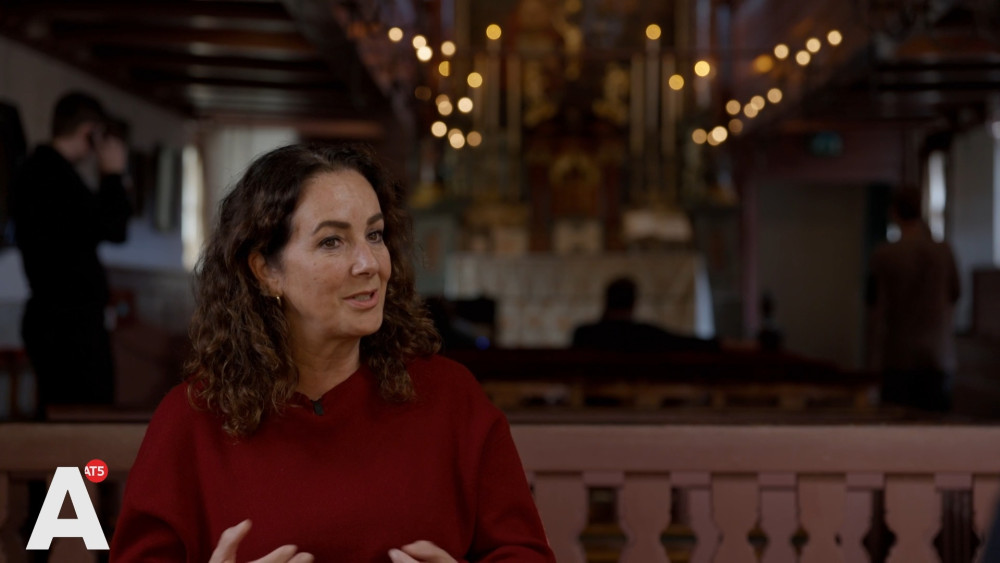
Amsterdam Mayor Femke Halsema has warned the Dutch government against diverting cultural subsidies away from the capital, citing the risk of damaging the city's significant creative labor market. She also defended the autonomy of the arts sector, emphasizing that cultural institutions must remain free from political pressure and secure for all visitors.

Ron Blaauw closes Michelin-starred restaurant in Amsterdam-Zuid: 'Times have changed'

Ron Blaauw closes Michelin-starred restaurant in Amsterdam-Zuid: 'Times have changed'

Chef Ron Blaauw is closing his Michelin-starred Ron Gastrobar in Amsterdam-Zuid after fourteen years to pursue a new, more flexible dining concept. The restaurant will cease operations in February, with a new project to be announced in December, while his other business locations across the Netherlands will remain open.

How the North Sea Canal pulled the city out of a slump: "Otherwise it would all have gone to Rotterdam"

How the North Sea Canal pulled the city out of a slump: "Otherwise it would all have gone to Rotterdam"

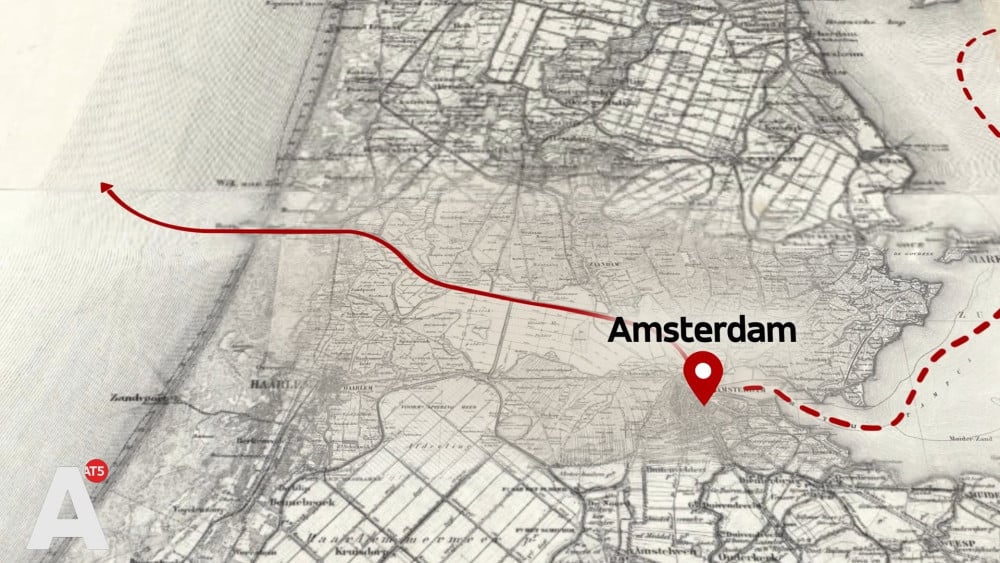
The North Sea Canal, which opened 150 years ago, saved Amsterdam from a major economic decline by providing essential maritime access. The project revitalized the city's struggling port and transformed it into a modern industrial hub, preventing it from losing its economic relevance to other cities like Rotterdam.