Embryo research permitted to continue: Senate also votes in favor
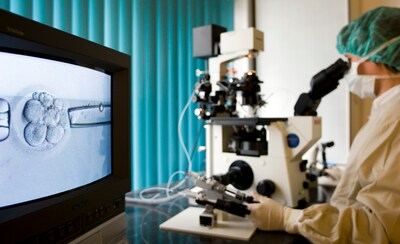
The Dutch Senate has narrowly voted to legalize the creation of embryos for scientific research, ending a longstanding ban. The move is intended to improve IVF outcomes and facilitate studies on hereditary diseases, despite significant ethical opposition regarding the moral implications of embryo usage.
The Dutch Senate has narrowly approved a legislative proposal that permits the creation of embryos specifically for scientific research. This decision, passed with a vote of 38 to 35, overturns the previous prohibition and aims to advance medical knowledge, particularly regarding the improvement of IVF treatment success rates and the study of hereditary diseases. Currently, research is restricted to surplus embryos from IVF procedures, which often limits the ability to study the earliest stages of development.
The proposal, initiated by members of the D66 and VVD parties, faced significant ethical opposition from conservative and religious factions who expressed concerns regarding the potential for genetic modification and the moral status of the created embryos. Proponents emphasized that the law includes strict regulations, prohibiting cloning and ensuring that research is only conducted when no other alternatives exist. Government officials noted that rigorous oversight will be required before any research applications are granted, framing the change as a vital step forward for both medical science and prospective parents.
Based on reporting by ad. Translated and condensed by LocalHeadlines.