rss

Amsterdam to appeal new Schiphol rules after all, PRO goes against its own alderman
Amsterdam to appeal new Schiphol rules after all, PRO goes against its own alderman

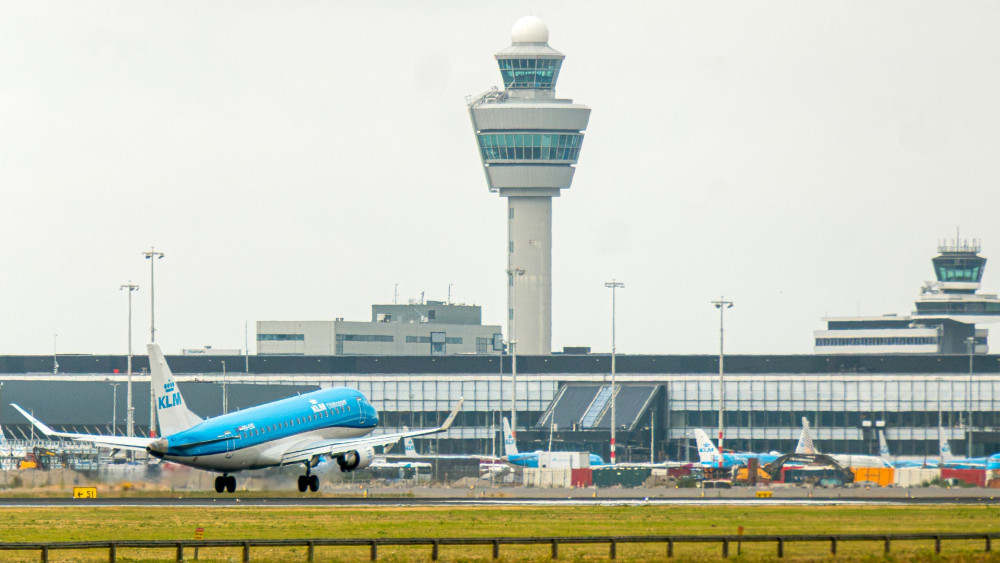
The Amsterdam city council has voted to challenge new operational regulations for Schiphol Airport in court, acting against the recommendation of their own alderman. The council aims to push for a night flight ban and a reduction in total flight movements to better protect residents from noise pollution.

The Amsterdam city council has voted to initiate legal action against the new regulations for Schiphol Airport, contradicting the position of Alderman Sofyan Mbarki. A majority coalition, including PRO, the Party for the Animals, and D66, passed a motion requiring the city to join existing appeals against the new Airport Traffic Decree by December 8. The council aims to enforce a total night closure between 23.00 and 07.00 and reduce the total number of annual flight movements to 400,000.

Supporters of the motion argue that the current government-imposed limit of 478,000 flights is insufficient to protect residents from noise pollution. They contend that the new rules effectively legalize excessive noise levels rather than curbing them. Although Alderman Mbarki previously warned that legal action might not guarantee better outcomes and that the current framework at least provides a basis for enforcement, the council remains committed to pursuing a stricter policy. The move follows similar legal steps taken by other municipalities, such as Uithoorn, against the airport's new operational rules.

Based on reporting by rss. Translated and condensed by LocalHeadlines.
Related articles

Amsterdam wants to increase tourist tax: what are the consequences and is it wise?

Amsterdam wants to increase tourist tax: what are the consequences and is it wise?

The Amsterdam city council is considering raising its tourist tax to 20 percent by 2031 to curb the city's ongoing overtourism issues and improve local livability. The proposal has drawn criticism from industry experts and political opponents, who argue that the tax will harm businesses and fail to effectively manage visitor numbers.

Letter from entrepreneurs to municipality on tourist tax hike: "Many negative consequences"

Letter from entrepreneurs to municipality on tourist tax hike: "Many negative consequences"

Business leaders in Amsterdam are urging the city council to pause and reconsider a planned hike in tourist tax that could reach 20 percent by 2031. They warn that the combined effect of this tax and a national VAT increase will place a 41 percent burden on hotel stays, threatening the viability of the city's hospitality and events sectors.

Judge blocks higher municipal tax for canal cruise passengers

Judge blocks higher municipal tax for canal cruise passengers

A court has ruled that the city of Amsterdam cannot increase the passenger tax for canal cruise boats to 2.50 euros, reinstating the former rate of 1.50 euros. The judge found that the proposed hike was unlawful because the city failed to justify the fee with direct benefits to the cruise operators and attempted to fund unrelated public programs.

More cultural funding to the regions? Halsema warns: "The labor market is in Amsterdam"

More cultural funding to the regions? Halsema warns: "The labor market is in Amsterdam"

Amsterdam Mayor Femke Halsema has warned the Dutch government against diverting cultural subsidies away from the capital, citing the risk of damaging the city's significant creative labor market. She also defended the autonomy of the arts sector, emphasizing that cultural institutions must remain free from political pressure and secure for all visitors.

Stricter rules for holiday rentals to tackle nuisance in residential areas

Stricter rules for holiday rentals to tackle nuisance in residential areas

New Dutch regulations taking effect November 1 require all vacation rental hosts to use a unique registration number and mandate that booking platforms share data with the government. This system is designed to help municipalities combat neighborhood nuisance and better monitor the impact of short-term rentals on the housing market.