nu

No 18, no Klarna: new law protects young people from debt
No 18, no Klarna: new law protects young people from debt

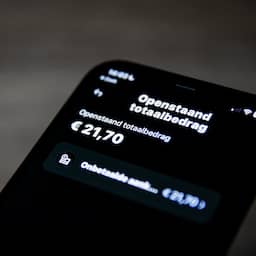
New legislation in the Netherlands effective November 20 mandates strict age verification and creditworthiness checks for Buy Now Pay Later services. These measures aim to protect young people from accumulating unsustainable debts by ensuring they are financially capable of meeting their payment obligations.

Starting November 20, a new law in the Netherlands will impose stricter regulations on Buy Now Pay Later (BNPL) services to prevent youth debt. Companies must now implement mandatory age verification, such as iDIN, and perform creditworthiness checks for purchases exceeding 100 euros. The legislation aims to address the significant number of young people facing payment reminders and late fees. By forcing companies to verify the financial status of consumers and warn that borrowing money incurs costs, authorities hope to curb the accumulation of debt among vulnerable users.

The Netherlands Authority for the Financial Markets will oversee compliance, ensuring that providers act responsibly. While the new rules require checks through the Bureau Credit Registration, some experts remain cautious, noting that small accumulated debts or arrears with utilities may still go undetected. Additionally, the legislation mandates that companies offer assistance to customers facing payment difficulties and limits late payment fees to 60 euros. These measures collectively strive to ensure that young consumers are protected from the long-term consequences of impulsive credit-based spending.

Based on reporting by nu. Translated and condensed by LocalHeadlines.
Related articles

Alderman concerned about rising interest rates, but major investments continue: "Though later or more modest"

Alderman concerned about rising interest rates, but major investments continue: "Though later or more modest"

Amsterdam's finance alderman Hendrik Jan Biemond intends to continue planned city investments but indicates they may be executed more soberly or delayed due to rising interest rates. The city will implement cost-saving measures, including the reduction of 2,500 municipal staff positions, to manage a projected increase in debt and interest expenses.

Amsterdam wants to increase tourist tax: what are the consequences and is it wise?

Amsterdam wants to increase tourist tax: what are the consequences and is it wise?

The Amsterdam city council is considering raising its tourist tax to 20 percent by 2031 to curb the city's ongoing overtourism issues and improve local livability. The proposal has drawn criticism from industry experts and political opponents, who argue that the tax will harm businesses and fail to effectively manage visitor numbers.

Minister has little oversight of Dutch gold reserve audit

Minister has little oversight of Dutch gold reserve audit

The Dutch Court of Audit has raised concerns over the Ministry of Finance's lack of oversight regarding the national gold reserves managed by De Nederlandsche Bank. Although the ministry views the gold as a vital asset, it has no clear protocols for monitoring its management or its potential use during a national crisis.

Inequality in the Dutch labor market is rising for the first time in years

Inequality in the Dutch labor market is rising for the first time in years

Labor market inequality in the Netherlands is rising as unemployment rates increase specifically among first and second-generation migrants. While native-born Dutch citizens experienced minimal changes in their employment status, migrants across all age groups and education levels face a growing disadvantage and a declining number of active jobs.

Agreement with Germany: more and faster trains between Amsterdam and Berlin, Hamburg and Frankfurt

Agreement with Germany: more and faster trains between Amsterdam and Berlin, Hamburg and Frankfurt

Dutch State Secretary Annet Bertram and German Transport Minister Steffen Bilger have agreed to improve rail connections between Amsterdam and various German cities. The plan focuses on increasing train frequency, reducing travel times, and expediting the connection of the Betuweroute freight line to the German rail network.