ad

Prisoners to be released up to 4 weeks early due to overcrowding, but sentence reductions may increase further
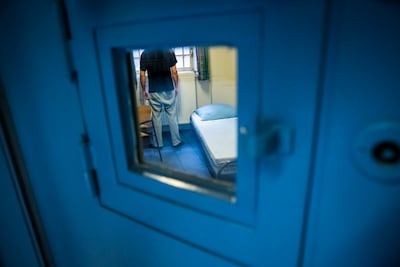
Prisoners to be released up to 4 weeks early due to overcrowding, but sentence reductions may increase further

Due to critical overcrowding in Dutch prisons, male inmates with sentences of two years or less may now be released up to four weeks early. State Secretary Claudia van Bruggen noted that over 2,000 prisoners have already been released early this year, and legislators are considering new sentencing reforms to further manage capacity.

Due to a severe shortage of space in Dutch correctional facilities, male inmates sentenced to two years or less may now be released up to four weeks earlier than their scheduled date. State Secretary Claudia van Bruggen confirmed this measure is necessary as the prison population continues to strain capacity. Previously, inmates were being released two weeks early, but projections suggest the deduction could extend to as many as 40 days to manage the overflow. Over the past year, more than 2,100 prisoners have already been released ahead of schedule to create room, freeing up approximately 75 years of total detention capacity.

To address the systemic overcrowding, lawmakers are exploring long-term policy adjustments. A proposal led by D66 and CDA suggests elevating the use of electronic monitoring from a supervisory tool to a primary criminal sanction. While the VVD opposes this change, it appears to have majority support in the House of Representatives as a potential solution to alleviate the pressure on the national prison system.

Based on reporting by ad. Translated and condensed by LocalHeadlines.
Related articles

And that makes it day four: here is why the crisis talks in The Hague are taking so long

And that makes it day four: here is why the crisis talks in The Hague are taking so long

Coalition partners D66, VVD, and CDA are holding a fourth day of crisis talks in The Hague to address a significant breakdown in trust caused by disputes over tax policies. The parties are debating whether to continue governing together and how to reconcile their conflicting preferences for either right-leaning or left-leaning political cooperation.

Franciscus Table cooks for the homeless and sees queues growing longer: "But everyone is welcome"

Franciscus Table cooks for the homeless and sees queues growing longer: "But everyone is welcome"

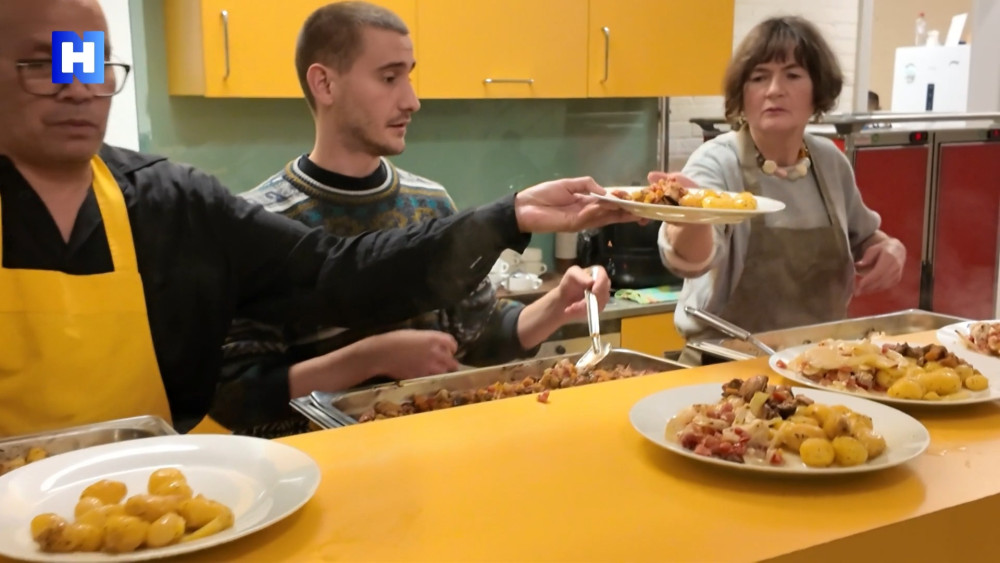
The Franciscustafel in Amsterdam is experiencing a significant rise in demand, serving 10,000 people annually compared to 6,000 previously. The initiative provides free meals to homeless people and those in financial distress, relying on public donations to maintain its services.

Government wants to take over heating companies, but high costs remain an issue

Government wants to take over heating companies, but high costs remain an issue

The Dutch government is moving to reclaim control of heating networks from private energy companies to treat them as public utilities. This transition faces challenges as high operational costs and policy uncertainty discourage new investments and strain household budgets.

The coalition lives on, crisis talks to continue tomorrow at the Catshuis

The coalition lives on, crisis talks to continue tomorrow at the Catshuis

The Dutch coalition government of D66, VVD, and CDA is currently engaged in intensive crisis talks following a major disagreement over tax policy. While the coalition has not yet collapsed, mutual trust is severely damaged as the parties attempt to negotiate a political reset.

Mark sleeps ten meters up in a tree to save them: "They can stay exactly where they are"

Mark sleeps ten meters up in a tree to save them: "They can stay exactly where they are"

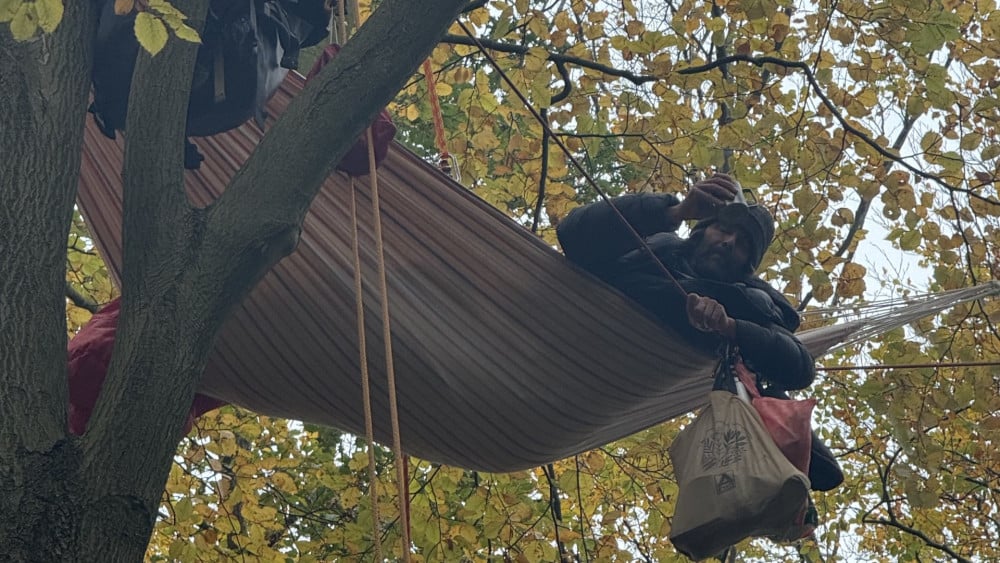
Tree surgeon Mark Helsloot protested the planned removal of fifty trees at the Elswout estate by spending a night in a tree. Local opponents are now taking the matter to court to block Staatsbosbeheer from starting the project this Tuesday.