Government wants to take over heating companies, but high costs remain an issue

The Dutch government is moving to reclaim control of heating networks from private energy companies to treat them as public utilities. This transition faces challenges as high operational costs and policy uncertainty discourage new investments and strain household budgets.
The Dutch government is currently negotiating with energy companies like Eneco, Ennatuurlijk, and Vattenfall to take over their heating networks, marking a shift back toward public ownership. This transition aims to treat heating as a essential utility, with the government establishing new state-owned entities to manage these assets. However, the move has created uncertainty, leading to a temporary decline in new private investments while public entities are not yet fully operational. Critics argue that public ownership alone does not guarantee lower costs for residents, who currently face high fixed connection fees.
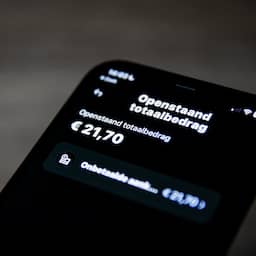
The high cost of heating networks remains a significant barrier for many households, prompting some to switch to individual heat pumps. This trend risks undermining the financial viability of larger heat networks, which struggle to recover costs without high participation. Experts warn that while wealthier homeowners can invest in independent solutions, lower-income households and renters remain vulnerable to rising costs or continued dependence on natural gas. Long-term subsidies and policy interventions are being considered to ensure that the transition to sustainable heating remains affordable and equitable across the country.
Based on reporting by nu. Translated and condensed by LocalHeadlines.