parool
NATO fund invests millions in Amsterdam biotech company that developed infection-fighting method

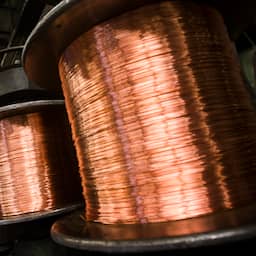
The European Commission has launched 46 projects across sixteen countries to reduce reliance on China for vital raw materials like lithium and copper. These initiatives, supported by prioritized permits and funding assistance, aim to significantly boost domestic processing and recycling capacity by 2030.

Vinted is actively removing listings from its platform that are suspected of containing goods stolen during recent riots in France. The company has adopted a zero-tolerance policy toward the sale of looted items following widespread unrest that impacted over three thousand businesses.
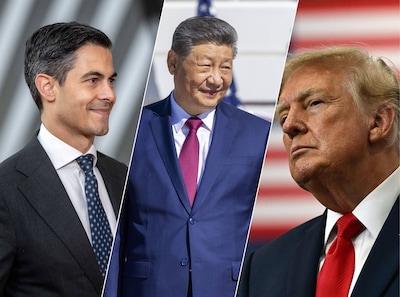
While China and the United States push ahead with rapid AI development, the European Union maintains a cautious stance focused on strict regulation. Critics argue this approach hampers European innovation and sovereignty, while proponents believe responsible testing and a focus on specialized quality are essential for sustainable growth.
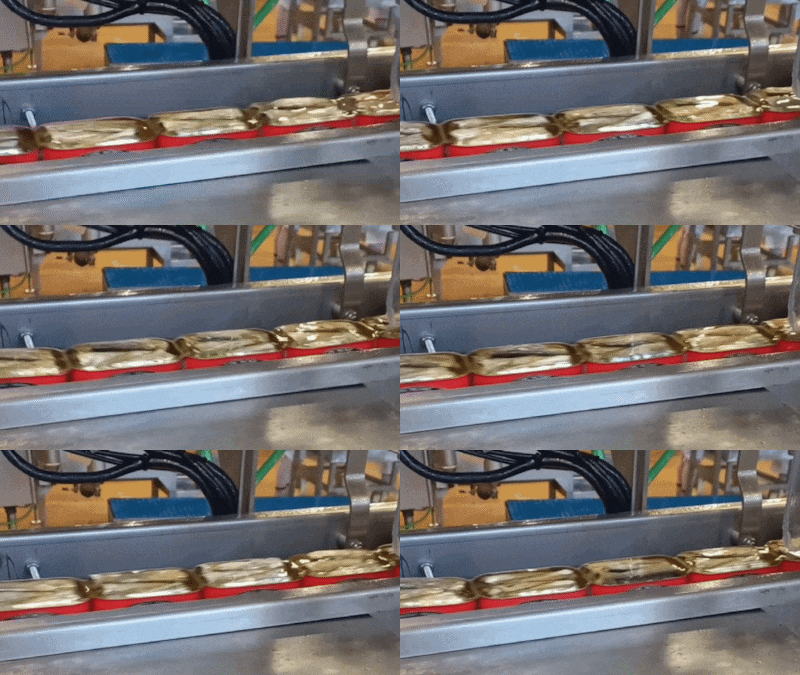
After facing near-extinction due to overfishing, Portugal's sardine population is recovering thanks to a successful management plan. This restoration has revitalized the local fishing industry while ensuring the fish remains a sustainable and healthy staple of the Portuguese diet.

Despite 21 rounds of European Union sanctions against Russia, some businesses continue to profit by using third-party countries to bypass export restrictions. Experts warn that while such trade is lucrative, it carries significant legal risks, including criminal prosecution and prison time for those who intentionally circumvent these measures.
We would like to use Google Analytics cookies to see how the site is used. They are optional — decline and no cookies are set. Privacy Policy