COVID-19 inquiry of then-Deputy Prime Minister Schouten (CU)
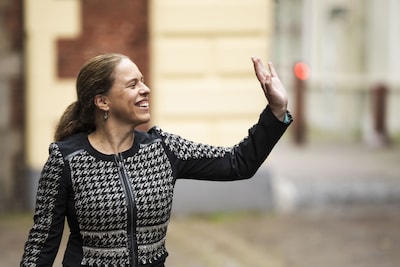
The Dutch COVID-19 parliamentary inquiry is nearing completion, having recently examined former Deputy Prime Minister Carola Schouten regarding cabinet decision-making during the pandemic. Testimony and presented text messages suggest internal friction, with concerns raised about a lack of dissent against the core group of ministers leading the crisis response.
The parliamentary inquiry into the Dutch government's handling of the COVID-19 pandemic has entered its final phase, with testimonies from former Deputy Prime Minister Carola Schouten and former SGP leader Kees van der Staaij. Schouten, who served in the cabinet during the pandemic, testified about the immense pressure and the focus on medical data, such as ICU capacity and infection rates, which often drove lockdown decisions. She noted that while she advocated for considering social consequences like loneliness, the lack of concrete data on these issues made it difficult to balance policy decisions. The committee also examined internal tensions within the cabinet, focusing on reports that key decision-makers—Mark Rutte, Hugo de Jonge, and Ferd Grapperhaus—frequently marginalized other ministers.
Evidence presented included text messages from then-Education Minister Arie Slob, which suggested a perception that the central trio was acting in their own interest rather than fostering collective decision-making. Schouten characterized these messages as a moment-in-time snapshot, though the inquiry continues to investigate whether a lack of internal dissent affected the quality of governance. Future hearings will feature additional testimony from Rutte, De Jonge, and Grapperhaus before the committee compiles its final report, expected early next year.
Based on reporting by ad. Translated and condensed by LocalHeadlines.