ad

From Bavaria to Bol.com: one hundred companies promise less waste and more organic products in ‘unique’ pact
From Bavaria to Bol.com: one hundred companies promise less waste and more organic products in ‘unique’ pact

One hundred major Dutch companies have signed the 2030 Entrepreneurs Agreement to commit to sustainability goals such as waste reduction and increased organic sourcing. Supported by five political parties, the pact aims to balance economic success with responsible resource management through specific corporate initiatives.

A group of one hundred major Dutch companies has signed the 2030 Entrepreneurs Agreement, pledging to reduce waste, increase the sale of second-hand items, and source more organic products. The initiative, spearheaded by Future Up, represents firms with a combined annual turnover of 50 billion euros and over 200,000 employees. Five political parties have also signed the pact, promising to support policies that facilitate sustainable business practices.

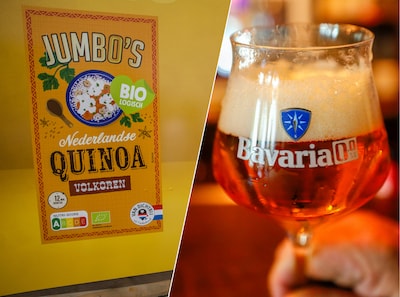
Individual companies have committed to specific measures to reach these goals. For instance, Bol is focusing on refurbished electronics, while Efteling aims to eliminate residual waste by 2030. Other participants, such as Jumbo, are transitioning to domestic organic products, and Royal Swinkels is implementing water-saving agricultural techniques. Additionally, companies like Schijvens Corporate Fashion and the Keukengroep are prioritizing the use of recycled materials. Signed at Naturalis, the agreement serves as a complement to Peter Wennink’s report on Dutch earning capacity, aiming to demonstrate that economic strength and environmental responsibility are mutually compatible.

Based on reporting by ad. Translated and condensed by LocalHeadlines.

Related articles

Not selling out is not a death blow for festival: 'But be careful not to price yourself out of the market'

Not selling out is not a death blow for festival: 'But be careful not to price yourself out of the market'

Festival organizations in the Netherlands faced a challenging summer marked by extreme weather, rising operational costs, and fluctuating ticket sales. Despite these significant hurdles, industry professionals remain optimistic due to the sector's inherent creativity and ability to adapt to difficult circumstances.

Not just IDFA: Amsterdam’s wider cultural sector hit by rising hotel costs as tourist tax hike drives away key visitors

Not just IDFA: Amsterdam’s wider cultural sector hit by rising hotel costs as tourist tax hike drives away key visitors

Amsterdam's cultural sector, including major events like IDFA, ADE, and the Holland Festival, is struggling due to rising tourist taxes and hotel VAT. These increased costs are forcing organizers to raise ticket prices and reduce programming, threatening the accessibility and quality of the city's cultural offerings.

Harry Styles concerts in Arena caused inflation in the Netherlands to rise

Harry Styles concerts in Arena caused inflation in the Netherlands to rise

Economists from De Nederlandsche Bank have linked a series of ten concerts by Harry Styles in Amsterdam to a rise in Dutch inflation during May. The high demand from international fans led to a significant surge in hotel and ticket prices, marking an unusual impact on the national economy.

Housing, industry and nature: who gets the space along the North Sea Canal?

Housing, industry and nature: who gets the space along the North Sea Canal?

The Noordzeekanaal area is experiencing increasing pressure as industrial needs, new housing projects, and nature conservation compete for limited space. A new television series commemorates the canal's 150th anniversary by exploring how these different sectors coexist and evolve within the region.

ABN AMRO expects newspaper revenue growth due to willingness to pay for news

ABN AMRO expects newspaper revenue growth due to willingness to pay for news

Dutch newspaper publishers experienced their sixth consecutive year of revenue growth, reaching 1.2 billion euros, largely driven by a surge in digital subscriptions. While advertising income has dwindled due to competition from big tech, newspapers are increasingly relying on paid readers and leveraging new formats like podcasts and AI tools to maintain their market relevance.