Kuipers on government role in societal divisions: ‘Without measures, polarization would have been worse’
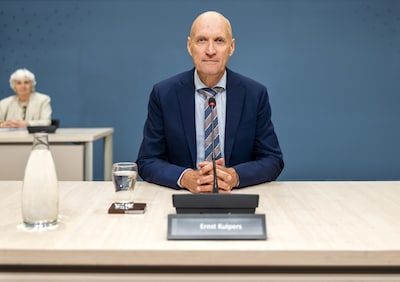
Former Health Minister Ernst Kuipers testified that the Dutch healthcare system avoided 'code black' during the pandemic, ensuring continuous ICU capacity. He stressed the importance of balancing future health measures with their societal impact, particularly on young people, while noting that polarization would likely have worsened without government action.
Former Dutch Minister of Health Ernst Kuipers testified before the parliamentary inquiry committee on the COVID-19 pandemic, stating that the Dutch healthcare system never reached the critical 'code black' status. While the country faced significant challenges and long-term disruption to routine care, such as cancer screenings and organ transplants, Kuipers maintained that ICU capacity remained available throughout the crisis. He reflected on his dual role as head of the National Network for Acute Care and later as a government minister, noting that early projections had warned of potential bed shortages that required careful management.
Kuipers expressed criticism regarding the data provided by the RIVM, citing delays that hindered effective pandemic modeling. He also highlighted the significant societal impact of lockdown measures, particularly on youth, and suggested that future responses should prioritize social well-being. Reflecting on polarization, Kuipers argued that societal division was inevitable but would have been worse without the measures implemented. He concluded by emphasizing that while increasing ICU capacity is worth considering for future crises, non-medical interventions remain essential to prevent the system from being overwhelmed.
Based on reporting by ad. Translated and condensed by LocalHeadlines.