nu

People who fail to pay health insurance premiums will no longer face higher bills

People who fail to pay health insurance premiums will no longer face higher bills

The Dutch government plans to abolish the 10 percent surcharge currently imposed on health insurance premiums for individuals who fall behind on payments. Both the CAK and health insurers agree that the current system causes unnecessary financial distress without effectively reducing debt, leading to broad political consensus to reform the policy.

Individuals in the Netherlands who fail to pay their health insurance premiums for six months or longer are currently transferred to the Central Administration Office (CAK). Under the existing system, these individuals are charged a premium that is 10 percent higher than the standard rate. Although the surcharge was intended to encourage people to settle their debts, critics argue that it has proven ineffective and only pushes vulnerable people further into financial hardship.

The CAK has acknowledged that the system does not produce the desired effect, and health insurers have recently advocated for the abolition of these high fees in favor of more supportive debt management approaches. Following a motion introduced by MP Don Ceder, there is now broad political support to scrap the additional charges. While specific details regarding the implementation timeline remain pending, the Ministry of Health, Welfare and Sport is expected to update the House of Representatives on the transition soon as part of the broader legislative process.

Based on reporting by nu. Translated and condensed by LocalHeadlines.

Related articles

Anti-smoking foundation loses final ruling on 'cheating cigarettes'

Anti-smoking foundation loses final ruling on 'cheating cigarettes'

The Dutch Trade and Industry Appeals Tribunal has ruled against the anti-smoking organization Rookpreventie Jeugd regarding their request to change cigarette testing methods. The court determined that tobacco manufacturers are legally bound to use the established measurement standard, effectively dismissing claims about so-called cheat cigarettes. The foundation expressed disappointment, noting that the ruling avoids addressing the health risks associated with how filters affect smoke intake.

Haarlem takes financial risk with new Spaarne Gasthuis construction

Haarlem takes financial risk with new Spaarne Gasthuis construction

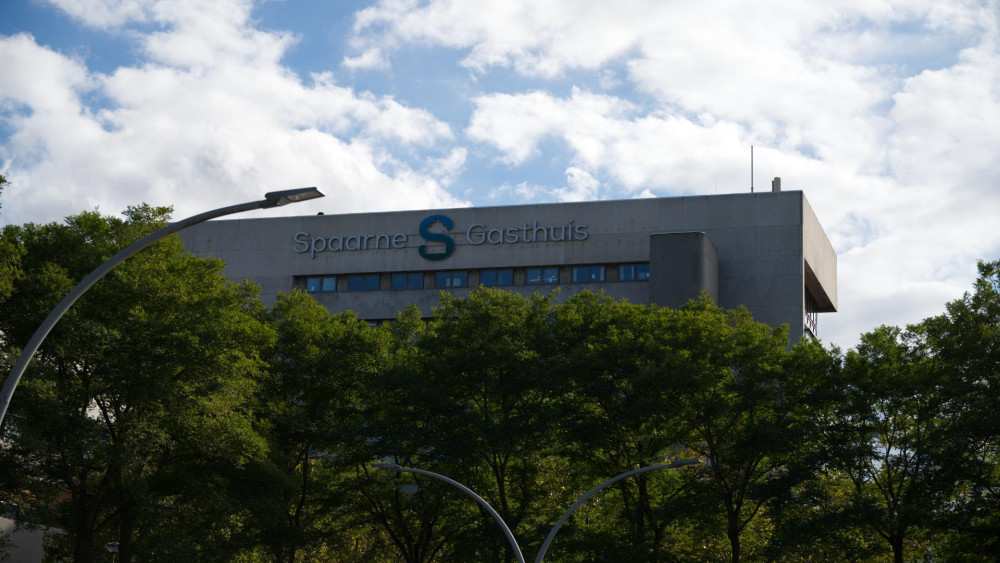
Haarlem is assuming significant financial risk by providing a 100 million euro guarantee and committing to purchase the current hospital site for 25 million euros to keep the Spaarne Gasthuis in the city. The initiative ensures 24-hour emergency care remains in Haarlem, though the city has deferred requirements for building staff housing.

End to intake freeze at Levvel, youths with severe issues can once again be admitted in Amsterdam

End to intake freeze at Levvel, youths with severe issues can once again be admitted in Amsterdam

Care organization Levvel has ended its intake freeze for Amsterdam youth following successful negotiations to secure more beds for those in need of severe residential care. While access has been restored, the municipality is demanding better coordination among providers and has initiated an independent financial audit of Levvel to ensure future stability.

Jumbo recalls pulled chicken due to possible raw chicken content

Jumbo recalls pulled chicken due to possible raw chicken content

Jumbo is recalling its pulled chicken product because it may contain raw poultry, which carries a risk of salmonella or campylobacter infection. Customers can return the product to any Jumbo store for a full refund without needing a receipt.

22,000 homes at risk due to cabinet funding shortfall: ‘We must also solve the housing crisis’

22,000 homes at risk due to cabinet funding shortfall: ‘We must also solve the housing crisis’

A lack of government funding for public transport infrastructure threatens the construction of 22,000 new homes across the Netherlands. Stakeholders warn that these housing projects are at risk because they rely on new transit connections to remain viable.