nu

Caregivers need more government support: 'Burnout is a problem'

Caregivers need more government support: 'Burnout is a problem'

The SCP warns that caregivers in the Netherlands are at risk of burnout and cannot be viewed as a simple solution to formal care shortages. Researchers urge the government to provide better leave protections, funding for local respite services, and mental health support to ensure informal care remains sustainable.

Caregivers in the Netherlands are facing significant risks of burnout as they attempt to balance work, family, and personal health alongside providing essential support to relatives. The Social and Cultural Planning Office (SCP) warns that relying on informal care as a primary solution to formal staffing shortages is unsustainable without structural support. Because the aging population will require more assistance in coming years, policymakers must prioritize the well-being of these caregivers rather than assuming their services will be freely available indefinitely.

To ensure informal care remains viable, researchers recommend that the government expand leave rights to help individuals maintain their employment. Furthermore, the report calls for local municipalities to provide mandatory respite care and mental health support for caregivers, backed by sufficient funding from the national government. Healthcare providers are also encouraged to establish clear, early agreements with caregivers that explicitly acknowledge their individual capacity. By addressing these needs, the government can help prevent burnout and make the informal care system more resilient for the future.

Based on reporting by nu. Translated and condensed by LocalHeadlines.

Related articles

Anti-smoking foundation loses final ruling on 'cheating cigarettes'

Anti-smoking foundation loses final ruling on 'cheating cigarettes'

The Dutch Trade and Industry Appeals Tribunal has ruled against the anti-smoking organization Rookpreventie Jeugd regarding their request to change cigarette testing methods. The court determined that tobacco manufacturers are legally bound to use the established measurement standard, effectively dismissing claims about so-called cheat cigarettes. The foundation expressed disappointment, noting that the ruling avoids addressing the health risks associated with how filters affect smoke intake.

Haarlem takes financial risk with new Spaarne Gasthuis construction

Haarlem takes financial risk with new Spaarne Gasthuis construction

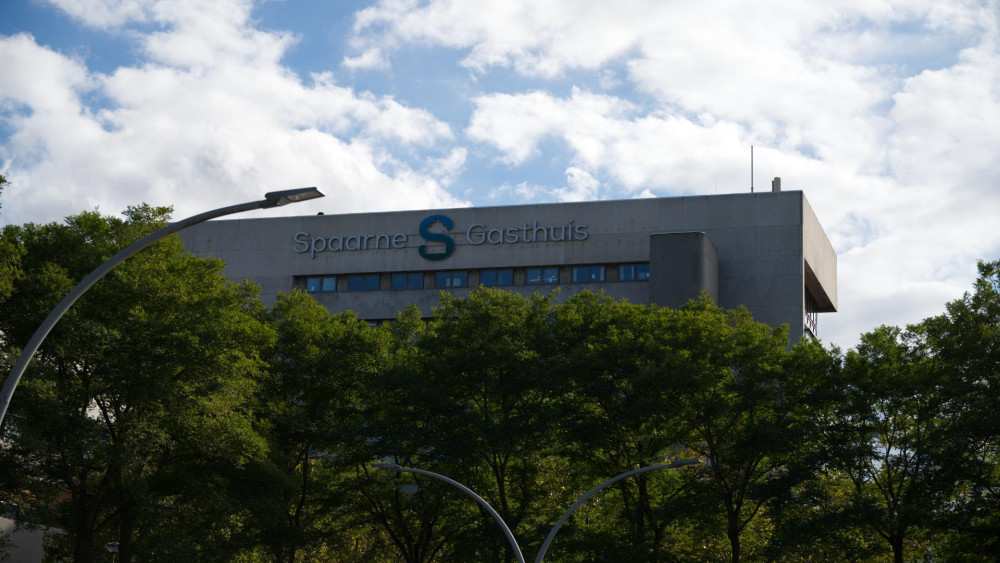
Haarlem is assuming significant financial risk by providing a 100 million euro guarantee and committing to purchase the current hospital site for 25 million euros to keep the Spaarne Gasthuis in the city. The initiative ensures 24-hour emergency care remains in Haarlem, though the city has deferred requirements for building staff housing.

End to intake freeze at Levvel, youths with severe issues can once again be admitted in Amsterdam

End to intake freeze at Levvel, youths with severe issues can once again be admitted in Amsterdam

Care organization Levvel has ended its intake freeze for Amsterdam youth following successful negotiations to secure more beds for those in need of severe residential care. While access has been restored, the municipality is demanding better coordination among providers and has initiated an independent financial audit of Levvel to ensure future stability.

22,000 homes at risk due to cabinet funding shortfall: ‘We must also solve the housing crisis’

22,000 homes at risk due to cabinet funding shortfall: ‘We must also solve the housing crisis’

A lack of government funding for public transport infrastructure threatens the construction of 22,000 new homes across the Netherlands. Stakeholders warn that these housing projects are at risk because they rely on new transit connections to remain viable.

The Greenhouse | I prefer to jump on the facts rather than the barricade

The Greenhouse | I prefer to jump on the facts rather than the barricade

A climate journalist explores the tension between objective reporting and the pressure to advocate for systemic change to combat the climate crisis. The author concludes that journalists should remain factual rather than activist to effectively reach a wide and diverse audience.