ad

Significant victory for FrieslandCampina: Chocomel yellow trademarked
Significant victory for FrieslandCampina: Chocomel yellow trademarked

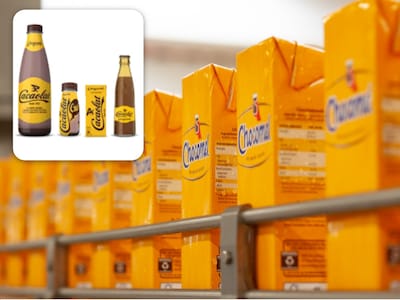
FrieslandCampina has successfully obtained an exclusive trademark for the signature yellow color of its Chocomel packaging after a dispute with Spanish competitor Grupo Cacaolat. The Benelux Office for Intellectual Property ruled that the competitor had engaged in free riding by adopting the distinct shade, confirming the color is intrinsically linked to the Chocomel brand.

FrieslandCampina has secured an exclusive trademark for the signature yellow color used on its Chocomel packaging. The decision, issued by the Benelux Office for Intellectual Property, prevents the Spanish company Grupo Cacaolat from using the exact same shade of gold-yellow. The Dutch manufacturer argued that they have invested over ninety years into building their brand identity and accused their competitor of engaging in unfair free riding by adopting a nearly identical color scheme. While Cacaolat claimed their brown lettering distinguished their product from Chocomel’s blue branding, authorities found no convincing reason for their sudden shift to the specific Pantone PMS 116 yellow associated with the Dutch drink.

This ruling joins a rare group of successful color-based trademark protections, similar to the precedents set by Milka’s purple, Nivea’s blue, and UPS’s brown. The exclusivity for Chocomel-yellow currently applies specifically to chocolate milk and cocoa powder products rather than coffee, ice cream, or baked goods. While the decision prevents Cacaolat from obtaining their own trademark for the color, FrieslandCampina would need to initiate further legal action if they intend to force the removal of existing Cacaolat packaging from store shelves.

Based on reporting by ad. Translated and condensed by LocalHeadlines.
Related articles

Not selling out is not a death blow for festival: 'But be careful not to price yourself out of the market'

Not selling out is not a death blow for festival: 'But be careful not to price yourself out of the market'

Festival organizations in the Netherlands faced a challenging summer marked by extreme weather, rising operational costs, and fluctuating ticket sales. Despite these significant hurdles, industry professionals remain optimistic due to the sector's inherent creativity and ability to adapt to difficult circumstances.

Not just IDFA: Amsterdam’s wider cultural sector hit by rising hotel costs as tourist tax hike drives away key visitors

Not just IDFA: Amsterdam’s wider cultural sector hit by rising hotel costs as tourist tax hike drives away key visitors

Amsterdam's cultural sector, including major events like IDFA, ADE, and the Holland Festival, is struggling due to rising tourist taxes and hotel VAT. These increased costs are forcing organizers to raise ticket prices and reduce programming, threatening the accessibility and quality of the city's cultural offerings.

Harry Styles concerts in Arena caused inflation in the Netherlands to rise

Harry Styles concerts in Arena caused inflation in the Netherlands to rise

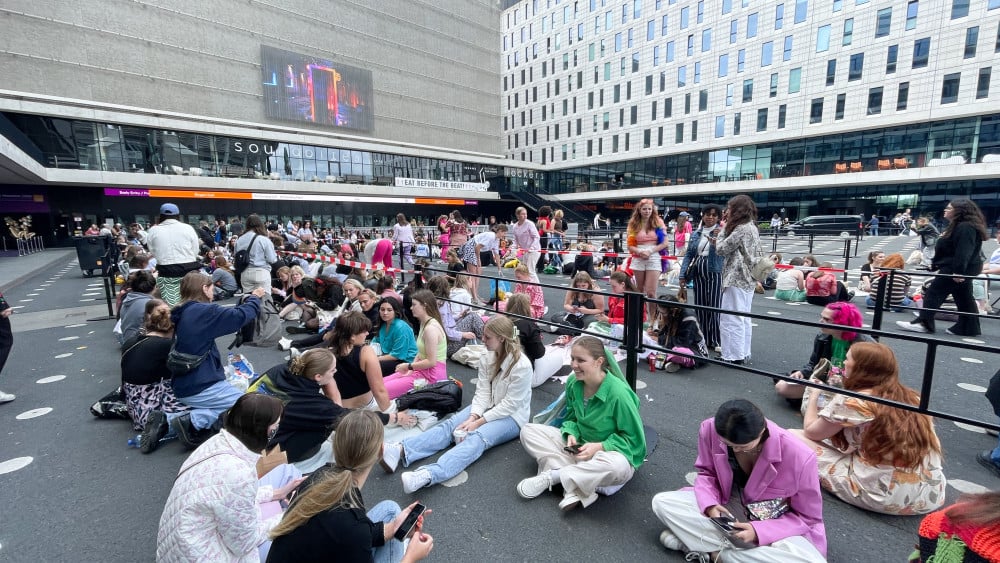
Economists from De Nederlandsche Bank have linked a series of ten concerts by Harry Styles in Amsterdam to a rise in Dutch inflation during May. The high demand from international fans led to a significant surge in hotel and ticket prices, marking an unusual impact on the national economy.

Housing, industry and nature: who gets the space along the North Sea Canal?

Housing, industry and nature: who gets the space along the North Sea Canal?

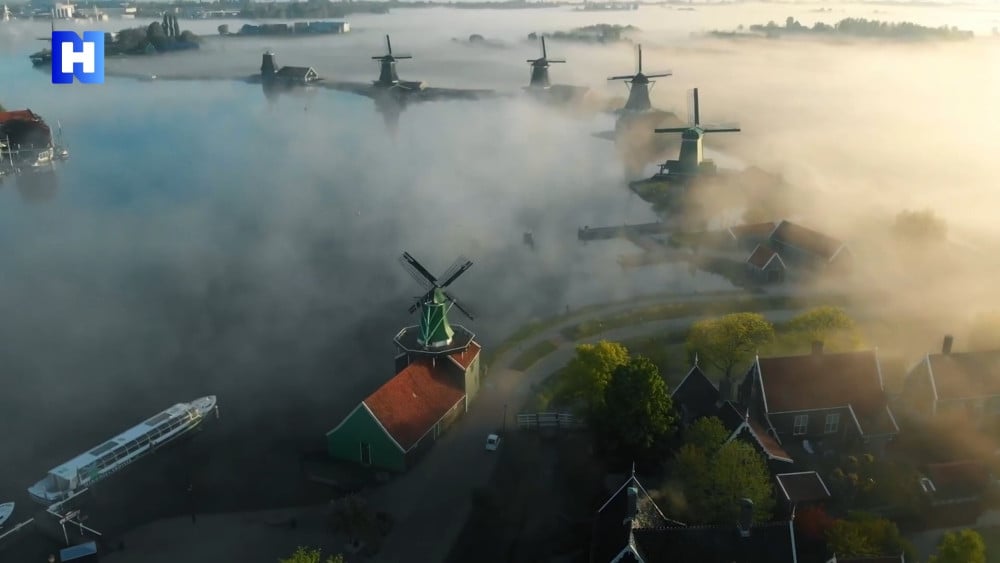
The Noordzeekanaal area is experiencing increasing pressure as industrial needs, new housing projects, and nature conservation compete for limited space. A new television series commemorates the canal's 150th anniversary by exploring how these different sectors coexist and evolve within the region.

ABN AMRO expects newspaper revenue growth due to willingness to pay for news

ABN AMRO expects newspaper revenue growth due to willingness to pay for news

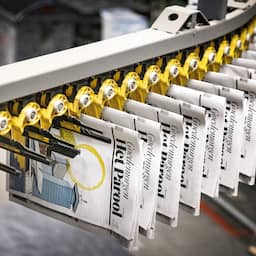
Dutch newspaper publishers experienced their sixth consecutive year of revenue growth, reaching 1.2 billion euros, largely driven by a surge in digital subscriptions. While advertising income has dwindled due to competition from big tech, newspapers are increasingly relying on paid readers and leveraging new formats like podcasts and AI tools to maintain their market relevance.