rss

More screen time, less outdoor play: Amsterdam takes action
More screen time, less outdoor play: Amsterdam takes action

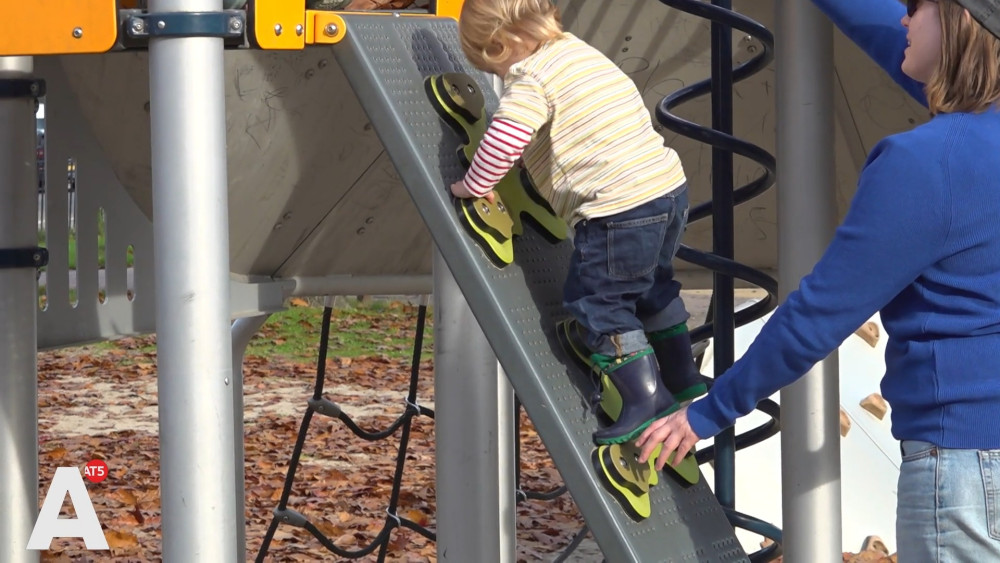
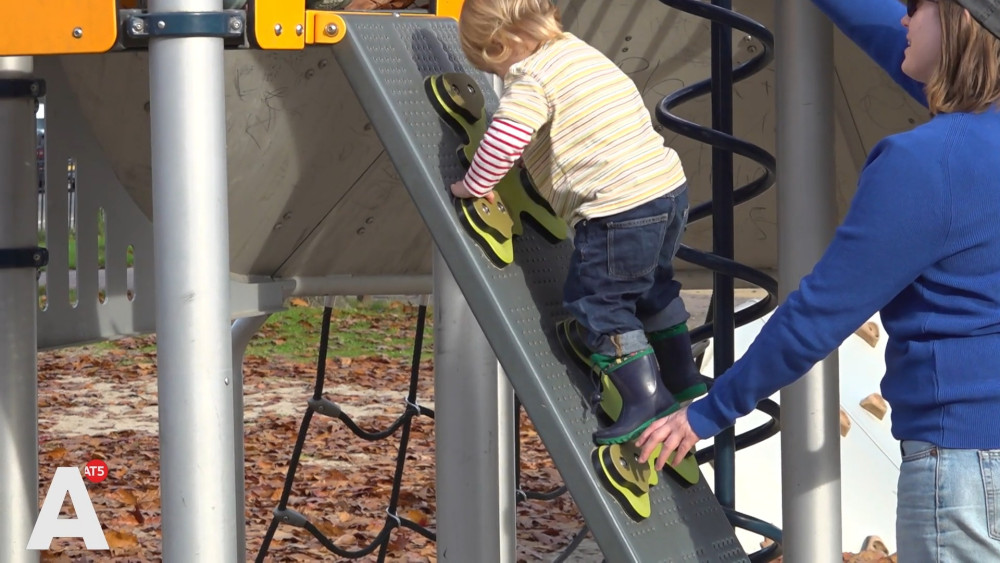
The city of Amsterdam has appointed a dedicated official to address the decline in outdoor play among children caused by excessive screen time and urban infrastructure challenges. The initiative aims to reduce inequality in playground quality across neighborhoods and create more child-friendly public spaces to encourage physical activity.

Despite having nearly two thousand playgrounds, Amsterdam is seeing a decline in children playing outside due to increased screen time, city congestion, and inequalities between neighborhood facilities. In response, the municipal government has appointed a dedicated council member for outdoor play, Lian Heinhuis, to ensure children can play freely and safely. The city aims to address the disparities where affluent areas boast better equipment, while also redesigning streets to be more child-friendly and inclusive from the start of new urban developments.

Experts and youth workers highlight that social media and tablets are major distractions, but they emphasize that physical play is essential for developmental growth and forming social connections. Council member Heinhuis argues that parents also hold significant responsibility in this shift, as relying on digital devices is often easier than facilitating outdoor activity. The local government intends to collaborate with parents to encourage a more active lifestyle for youth, acknowledging that modern urban environments require more intentional planning to keep children active.

Based on reporting by rss. Translated and condensed by LocalHeadlines.
Related articles

Concerns about future of Trans Clinic, emergency debate requested

Concerns about future of Trans Clinic, emergency debate requested

The Amsterdam city council is holding an emergency debate regarding the future funding and housing security of the Transkliniek. Despite a recent pledge of municipal financial support, stakeholders remain concerned that the aid is insufficient to guarantee the long-term continuation of the clinic's specialized services.

Concerns over future of Trans Clinic, urgent debate requested

Concerns over future of Trans Clinic, urgent debate requested

The Transkliniek in Amsterdam faces an uncertain future due to ongoing concerns regarding its long-term financial viability and rent obligations at the Q-factory. City council members have called for an emergency debate to address these funding gaps, despite a recent pledge of extra support from the local government.

More screen time, less outdoor play: Amsterdam takes action

More screen time, less outdoor play: Amsterdam takes action

Amsterdam has appointed a special councilor for outdoor play to combat the trend of children spending excessive time on digital devices. The initiative aims to address playground inequality and urban congestion while encouraging families to prioritize physical activity for better child development.

Sleeping in doorways remains punishable to protect livability

Sleeping in doorways remains punishable to protect livability

Amsterdam has implemented a new policy framework clarifying that while sleeping in public is no longer automatically illegal, obstructing building entrances or causing nuisance remains punishable. The city aims to balance public accessibility with humanitarian aid by requiring officers to prioritize support services and carefully document any enforcement actions.

Concerns over future of LGBTQ+ support center in Southeast after potential funding cuts

Concerns over future of LGBTQ+ support center in Southeast after potential funding cuts

House of B, a foundation providing ballroom dance and support for queer youth in Amsterdam Southeast, faces closure by 2027 due to a failed subsidy application. Although the organization currently serves about twenty young people weekly, the city is still determining if future funding can be secured following the procedural error.