haarlemsdagblad

Risk of AED theft lower than heart attack risk, but it happens and costs lives: 'A stolen device is useless'

Risk of AED theft lower than heart attack risk, but it happens and costs lives: 'A stolen device is useless'

While the theft of Automated External Defibrillators (AEDs) is rare in the Netherlands, such incidents can be life-threatening and often require community crowdfunding for replacements. The national goal is to have an AED accessible within 500 meters of every citizen, but thefts and coverage gaps continue to pose challenges to public safety.

Based on reporting by haarlemsdagblad. Translated and condensed by LocalHeadlines.

Related articles

Several hospitals less accessible due to nationwide KPN outage

Several hospitals less accessible due to nationwide KPN outage

A national KPN network outage caused by a cooling system failure has disrupted telephone services at several hospitals across the Netherlands, including UMC Utrecht and Maastricht UMC+. Affected hospitals are currently utilizing alternative contact numbers to ensure they remain reachable while technical teams work to resolve the widespread connectivity issues.

Global online vulnerability update is live: A race against the clock

Global online vulnerability update is live: A race against the clock

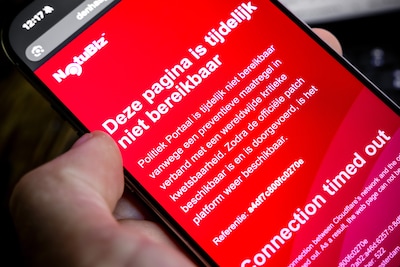
A critical security vulnerability has been discovered in the PHP programming language, prompting a race to patch systems before hackers can exploit the flaw. Many organizations have temporarily taken their websites offline as a precaution while security experts warn that businesses must also conduct thorough checks for prior unauthorized access.

AI-generated texts appear in parliamentary debates: 'Comes at the expense of credibility'

AI-generated texts appear in parliamentary debates: 'Comes at the expense of credibility'

Recent research reveals that 68 members of the Dutch parliament have used artificial intelligence to draft or refine texts for parliamentary debates. While some argue these tools simply aid efficiency, experts warn that over-reliance on AI could compromise the authenticity and public trust of elected officials.

The backbone of the internet is broken: why the attack on PHP is crippling half the web

The backbone of the internet is broken: why the attack on PHP is crippling half the web

A critical vulnerability in the widely used programming language PHP has forced numerous websites, including government portals, to go offline. Security experts have issued urgent warnings for administrators to install an emergency update to prevent cyberattacks as criminals actively seek to exploit the flaw.

Websites of multiple safety regions offline, Amsterdam-Amstelland site remains online

Websites of multiple safety regions offline, Amsterdam-Amstelland site remains online

Various websites in the Netherlands, including several regional safety boards and media services, have been taken offline as a precaution due to a high-severity security vulnerability in the PHP programming language. Organizations are following NCSC guidance to disable vulnerable pages while waiting for a fix to prevent potential cyberattacks.