nu

'Socially responsible' clothing often a marketing ploy
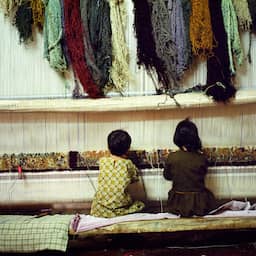
'Socially responsible' clothing often a marketing ploy

Several major clothing brands, including WE Fashion, Nike, and Puma, have been accused of misleading consumers with false claims about ethical and socially responsible production. Reports indicate that many of these brands' suppliers are still involved in serious human rights violations, such as forced labor.

Based on reporting by nu. Translated and condensed by LocalHeadlines.
Related articles

The 100-year history of Hema is quintessentially Amsterdam

The 100-year history of Hema is quintessentially Amsterdam

The Dutch retail chain HEMA is celebrating its 100th anniversary since opening its first store in Amsterdam in 1926. The company, known for its household goods and the popular rookworst sandwich, has evolved over the century to serve a diverse range of customers.

KLM fined $320,000 by US for flights over Iraq

KLM fined $320,000 by US for flights over Iraq

KLM has received a 320,000 dollar fine from U.S. authorities for operating over one hundred codeshare flights through forbidden Iraqi airspace between 2022 and 2025. Sister airline Air France was also penalized, bringing the total fine for both carriers to 425,000 dollars due to safety violations.

Disappointment over Airbnb 'dishwashing ban': 'Not much of the romance left'

Disappointment over Airbnb 'dishwashing ban': 'Not much of the romance left'

Airbnb is ending the practice of allowing hosts to impose specific cleaning tasks, such as washing dishes or stripping beds, on their guests before checkout. Experts suggest this move aims to make the platform more mainstream, though some question if the change will truly benefit the user experience.

Heineken warns British pubs and bars over use of weight-loss drugs

Heineken warns British pubs and bars over use of weight-loss drugs

Heineken has warned British pubs that the rising use of GLP-1 weight-loss medications is changing alcohol consumption patterns. The brewer suggests that venues should adjust their strategies by promoting smaller serving sizes and non-alcoholic options to adapt to customers who are drinking less.

An emergency neighborhood supermarket that always has toilet paper, rice and crispbread in stock: it’s happening in Denmark

An emergency neighborhood supermarket that always has toilet paper, rice and crispbread in stock: it’s happening in Denmark

Denmark is preparing to launch 51 emergency supermarkets equipped to function during power outages and cyberattacks, providing essential supplies even without grid connectivity. The Netherlands is currently exploring similar strategies as part of a national food security plan, though no concrete implementation has been finalized.